Dissemination strategies for researchers
How do you disseminate research results in a way that truly lands in policy and practice? Our vision: dissemination is an integral and substantive part of the research process, not a box to tick at the end.


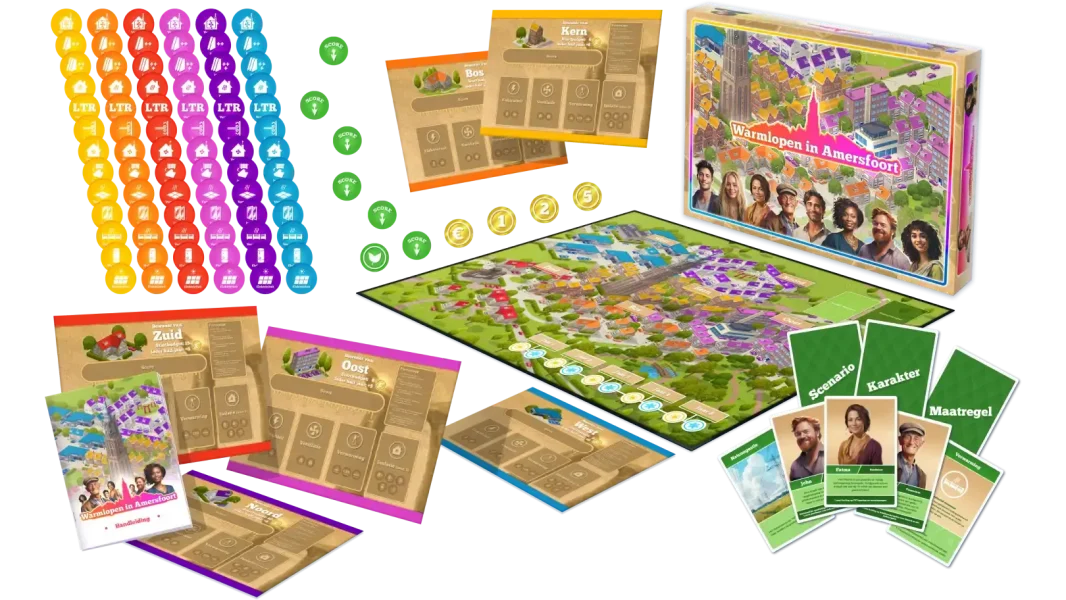
In collaboration with eVRgreen Studio, our designers developed the board game ?Warmlopen in Amersfoort? (Getting Warmed Up in Amersfoort). This intervention is designed to help the Municipality of Amersfoort engage its residents in a collective reflection on their city’s sustainability.


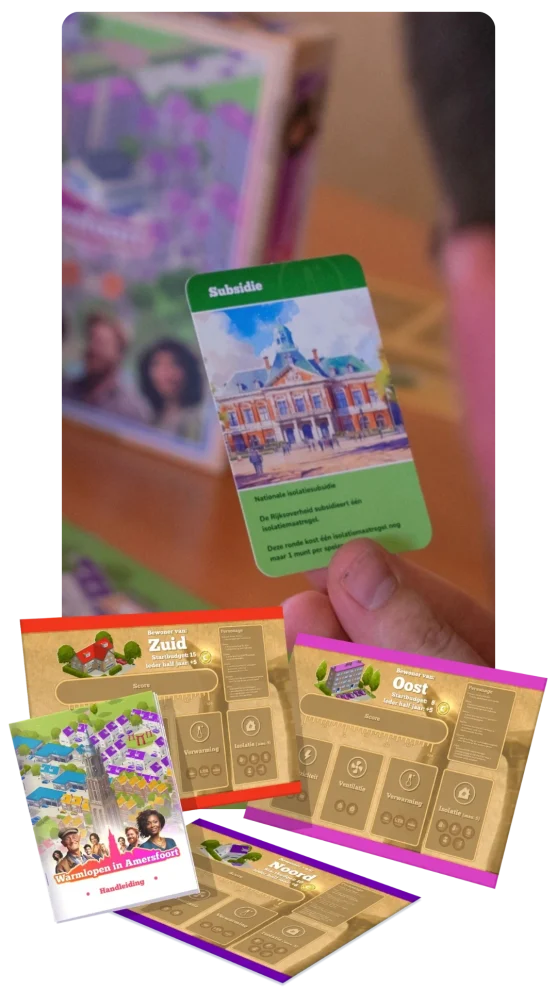
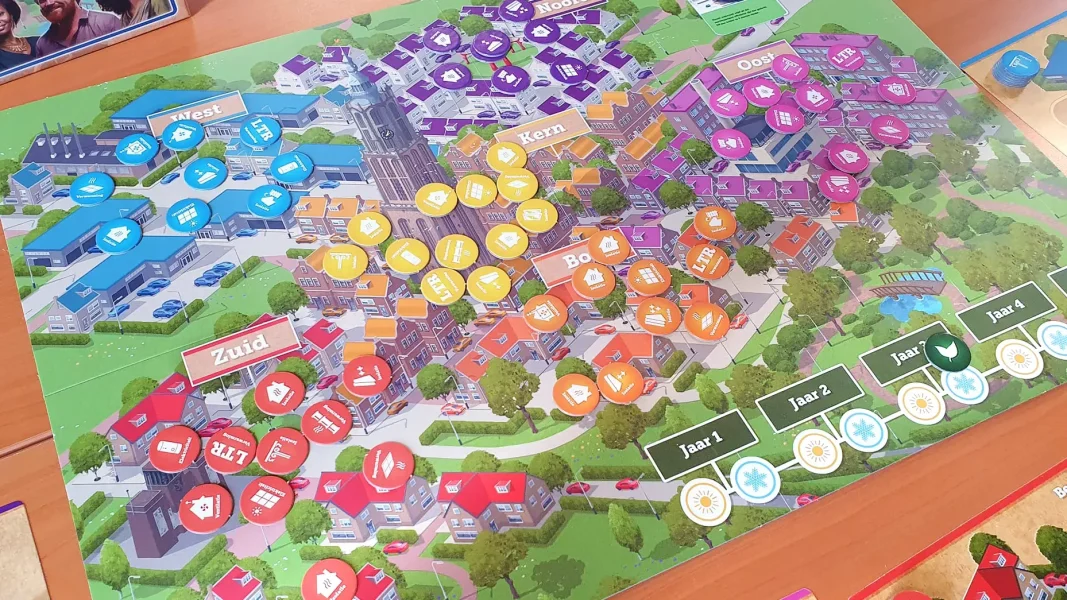
The energy transition demands collaborative efforts across local, regional, and national levels. Within the sustainable energy transition?focused on improving heating systems and home insulation?effective coordination of measures is essential. Collective solutions, such as heat networks, allow neighborhoods to transition more quickly and efficiently. However, decisions made by one neighborhood can sometimes impact the options available to others.
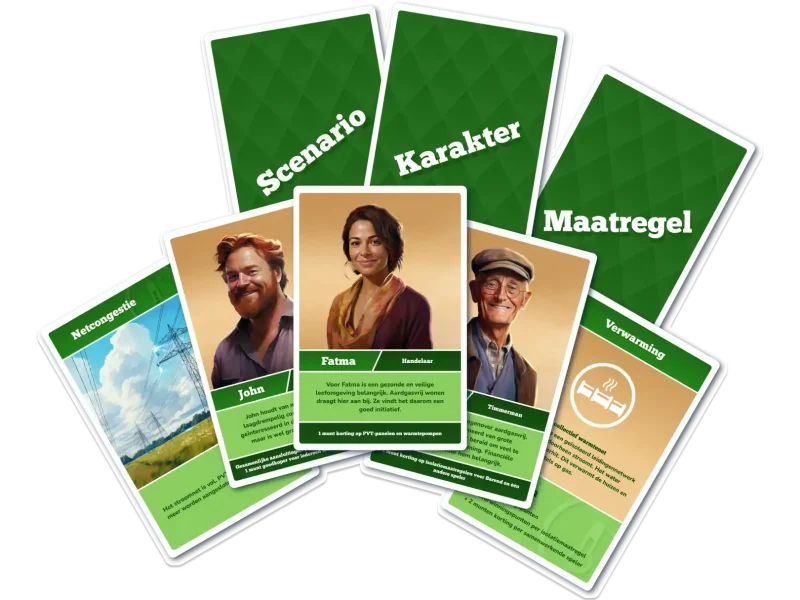
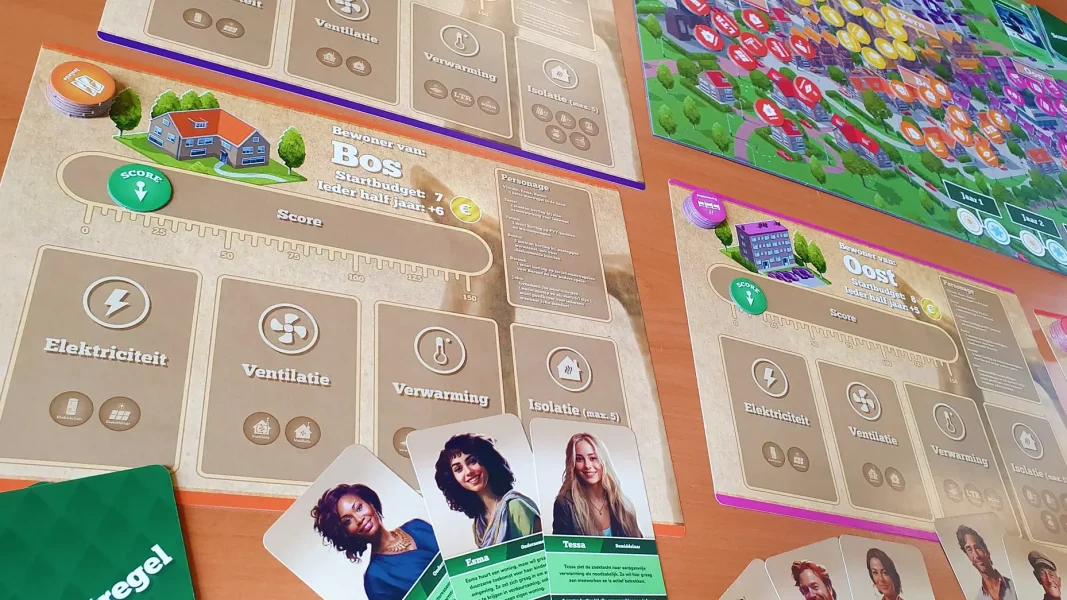
In collaboration with eVRgreen Studio, our designers created the board game ?Warmlopen in Amersfoort?. The game engages residents in reflecting on their city’s sustainability through play. What options are available? Since not everyone shares the same background or resources, it?s crucial to consider these differences. How can you inspire others, and what impact might your decisions have on neighboring communities?
 Approach
The success of the sustainable energy transition ultimately depends on people?their behavior, values, and willingness to change or collaborate determine its success. While there is extensive knowledge on how to approach the energy transition, solutions are unlikely to be adopted without public support or a clear sense of urgency. Designing an intervention to encourage collaboration around such a complex theme aligns perfectly with our expertise. After all, using social design, we develop solutions tailored to the needs and aspirations of real people living real lives.
For the project ‘Warmlopen in Amersfoort,’ we implemented our full social design cycle. A key step was refining the project objectives through a Problemstorm session: What exactly do we want to achieve, and most importantly, for whom? This session revealed that the implicit learning objective—conveying that collaboration accelerates and improves progress in the energy transition—was considered the most important. More important, in fact, than ensuring residents immediately understood all technical details about sustainable energy transition measures.
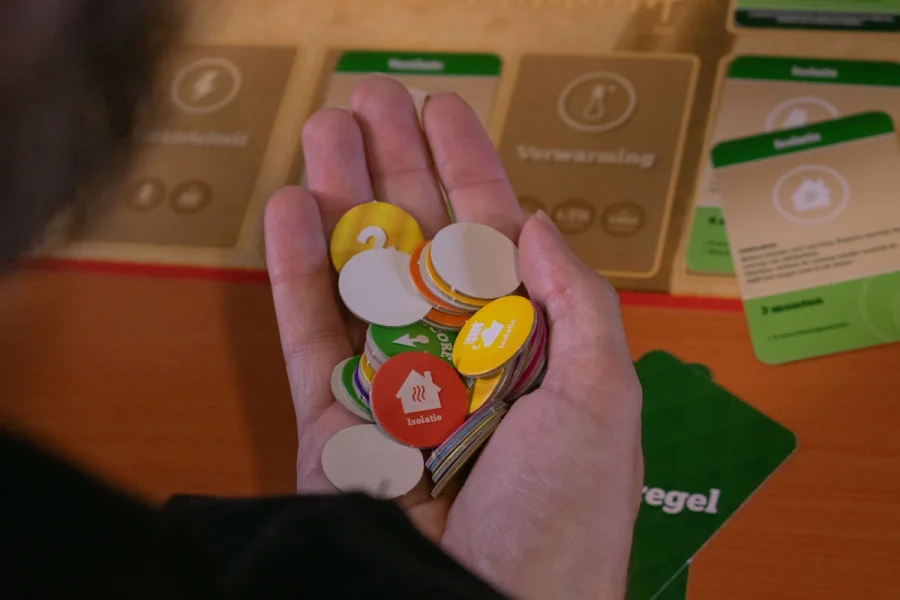
Based on these insights, our designers developed several creative concepts. A board game with role-playing elements proved to be the best fit for the project’s goals. Our team then iteratively developed the gameplay, created and tested paper prototypes, and collaborated with energy transition experts to write and validate the content for the game cards.
 Results
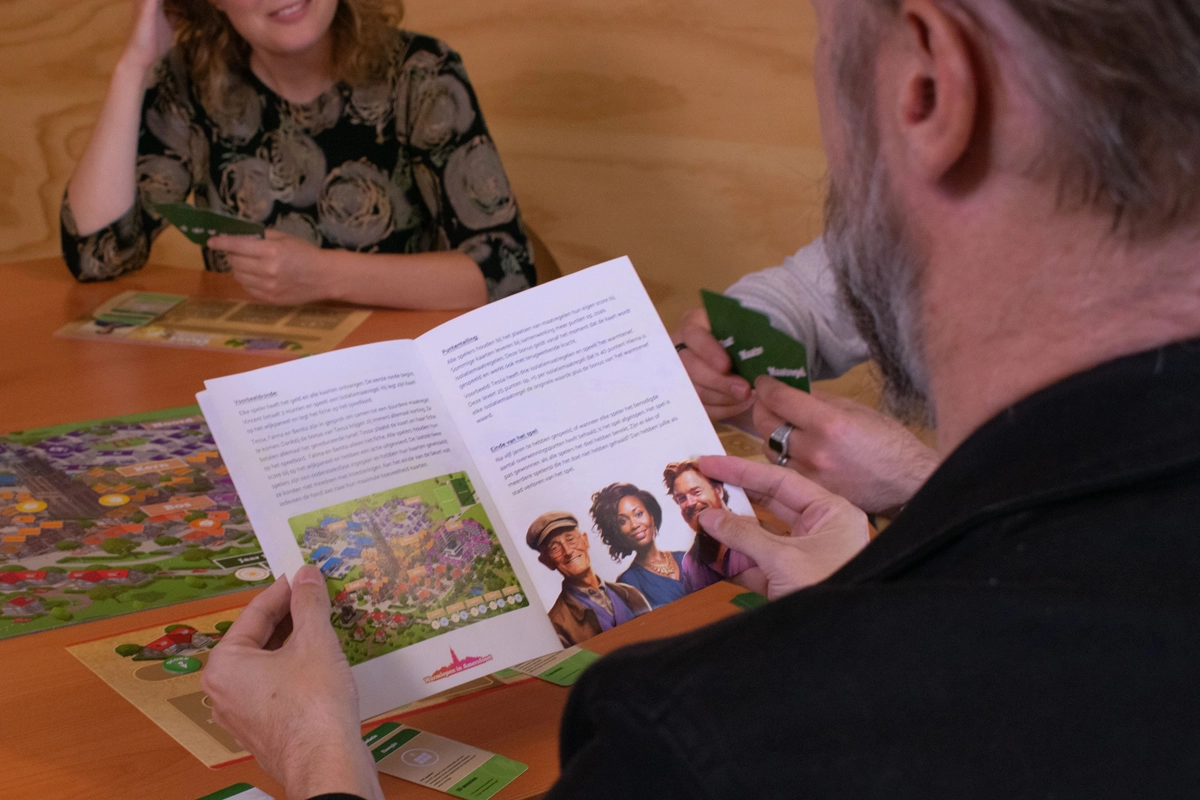
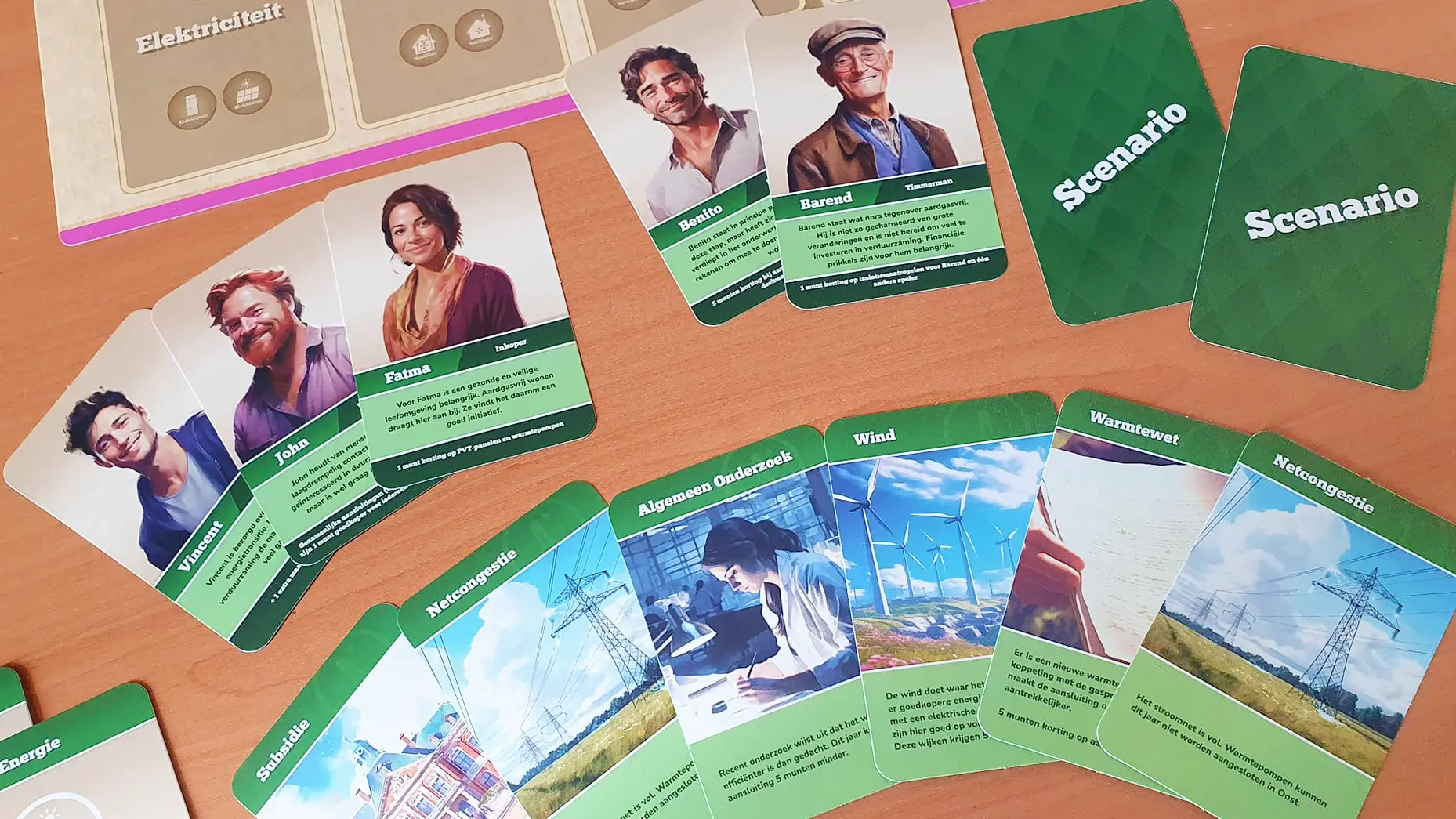
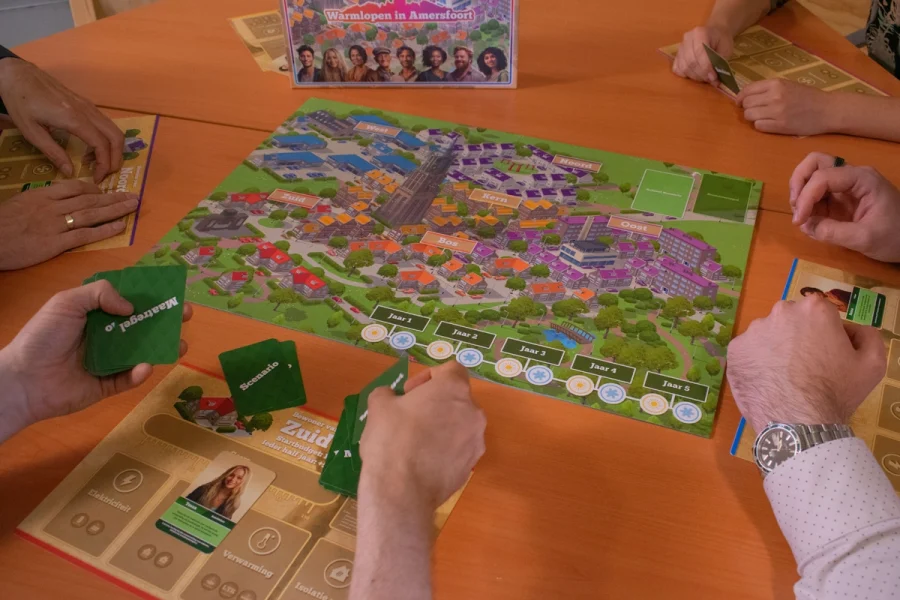
?Warmlopen in Amersfoort? offers insights into the possibilities for sustainability, the impact of the seasons, and how various measures can influence one another. While the intervention is informative, its primary goal is to encourage players to view the sustainable energy transition as a collective challenge rather than an individual responsibility. This message is subtly embedded in the gameplay. During testing, even the most competitive players recognized after 1 or 2 rounds: ?Wait a minute? collaboration yields better results than playing for myself.?
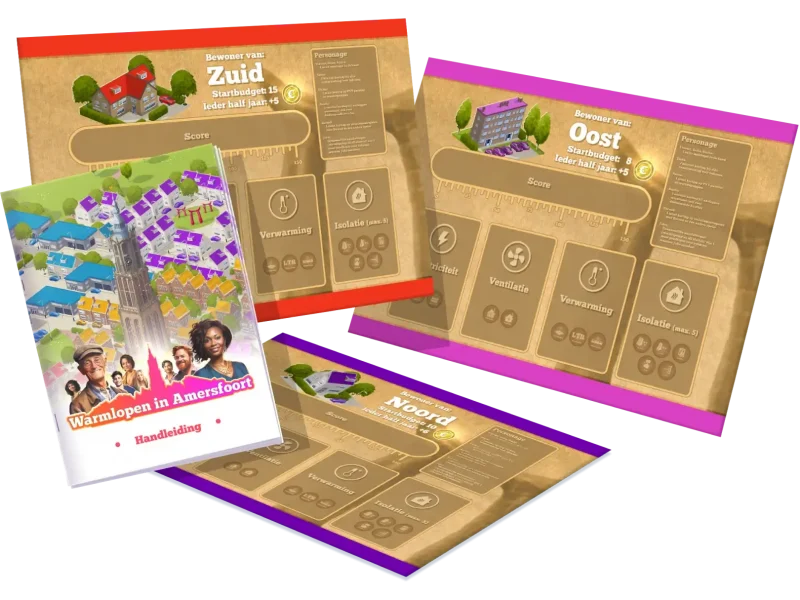
This effect is further enhanced by the role-playing aspect of the game design. Each player represents a different neighborhood in Amersfoort and is responsible for making it more sustainable. Players take on the perspective of an assigned character, each with distinct interests, goals, and resources. This encourages them to view the challenge through the lens of someone they might not typically encounter in their daily lives.
?
Currently, ‘Warmlopen in Amersfoort’ is being tested on a small scale by the Municipality of Amersfoort. Want to learn more about this intervention? Contact Johan at johan@8d.nl. He’ll be happy to provide more examples of interventions aimed at fostering a sustainable future.
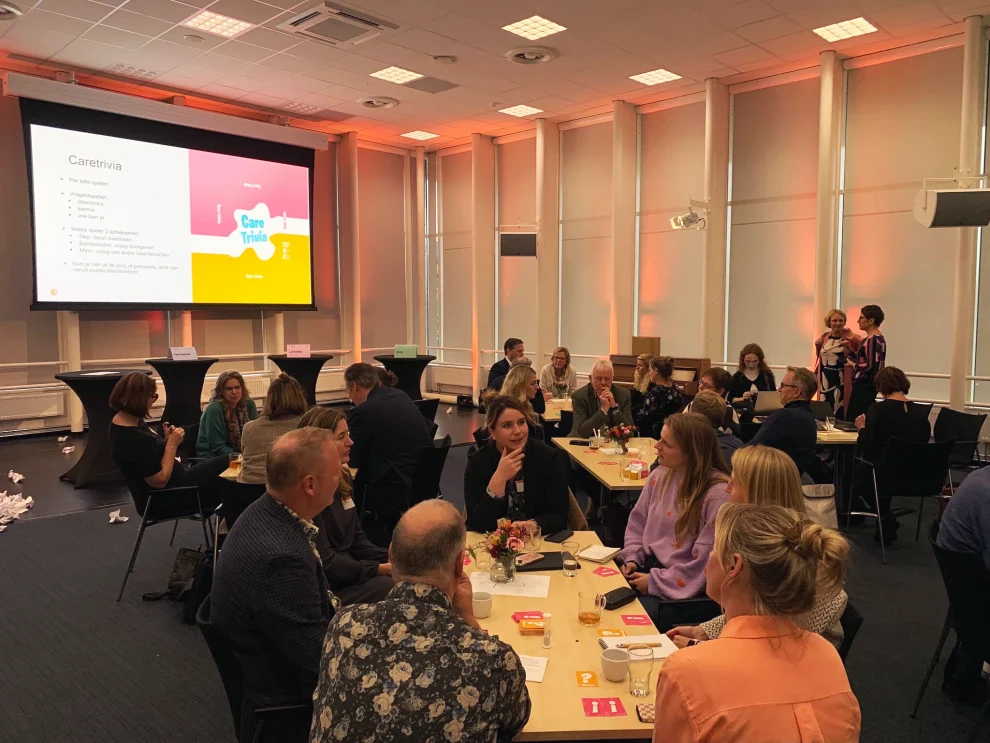
How do you disseminate research results in a way that truly lands in policy and practice? Our vision: dissemination is an integral and substantive part of the research process, not a box to tick at the end.
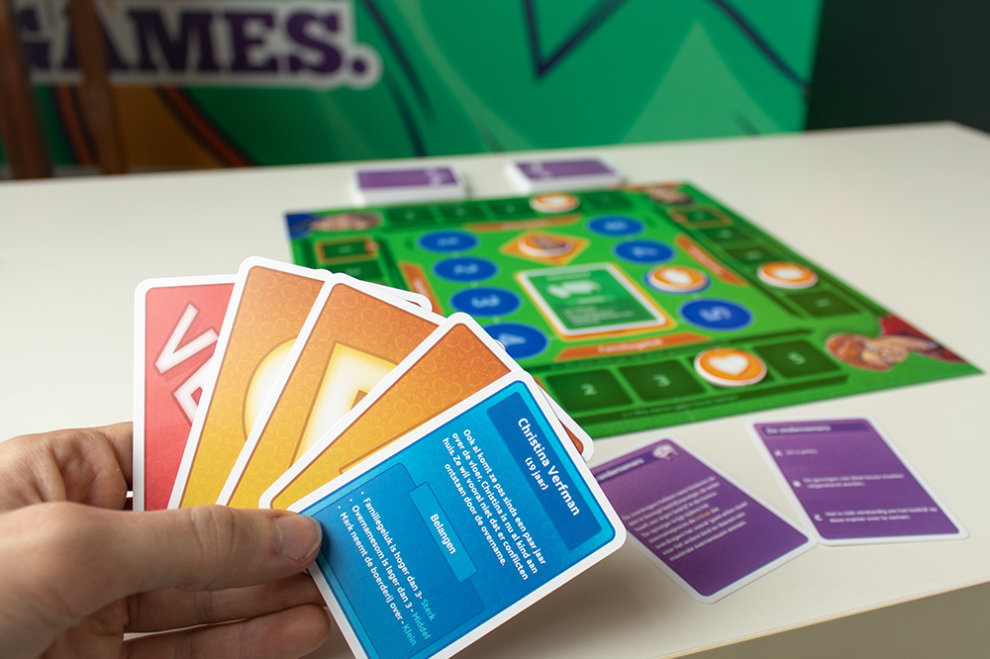
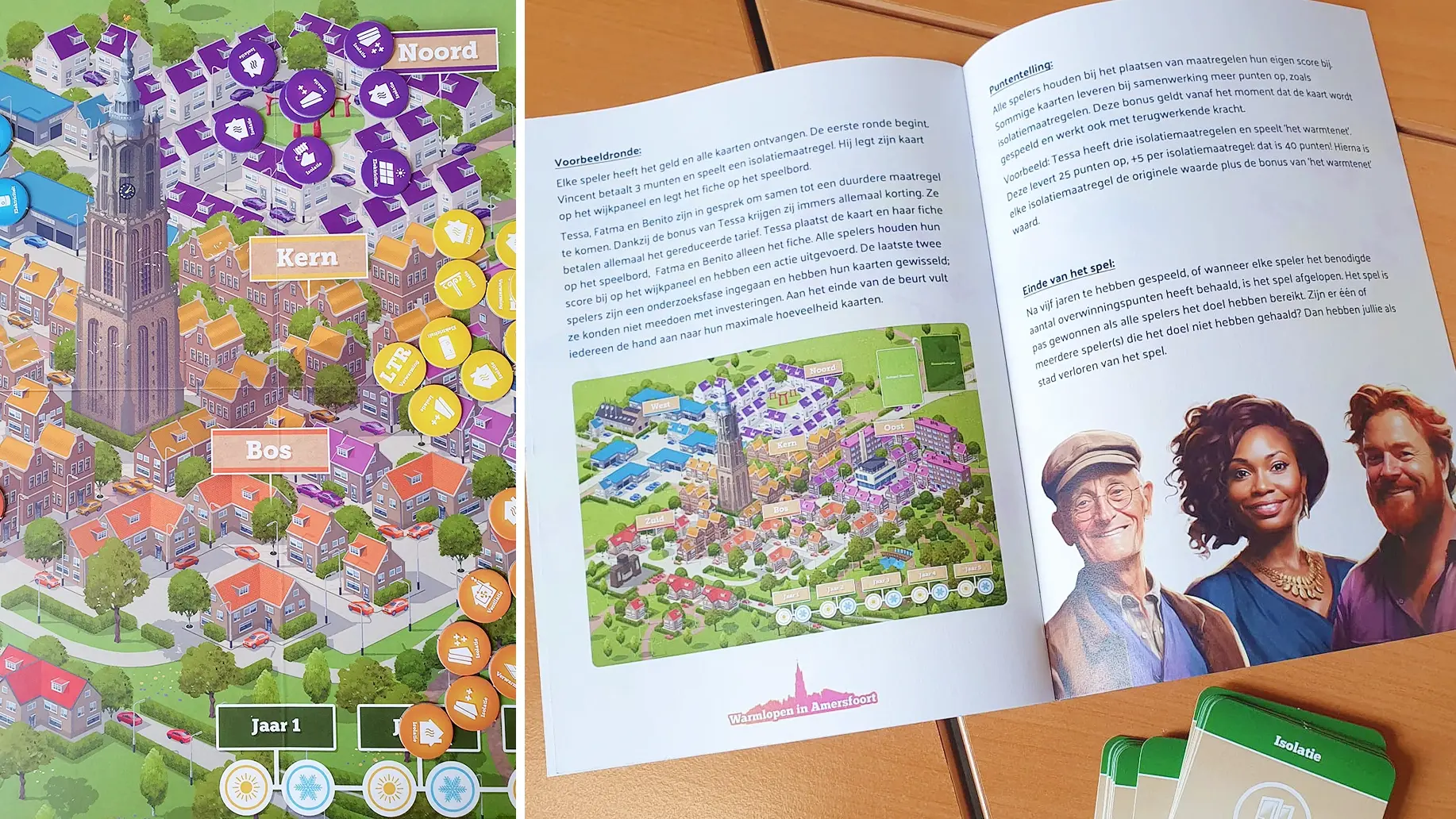
8D | Research + Design = Impact translates theoretical insights into offline interventions such as board, card, and role-playing games. This ensures knowledge doesn’t stay on paper but grows into meaningful change in practice.