Approach
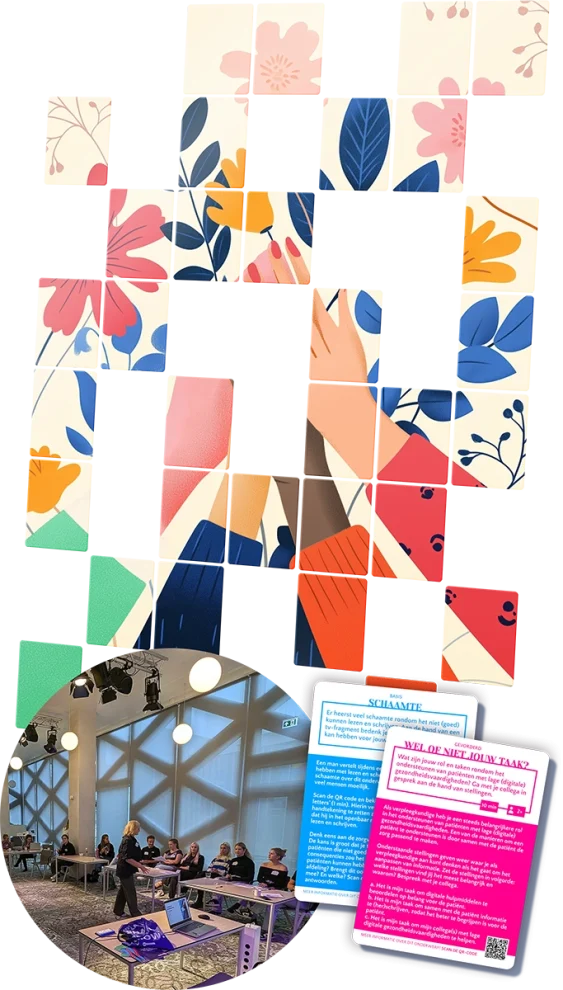
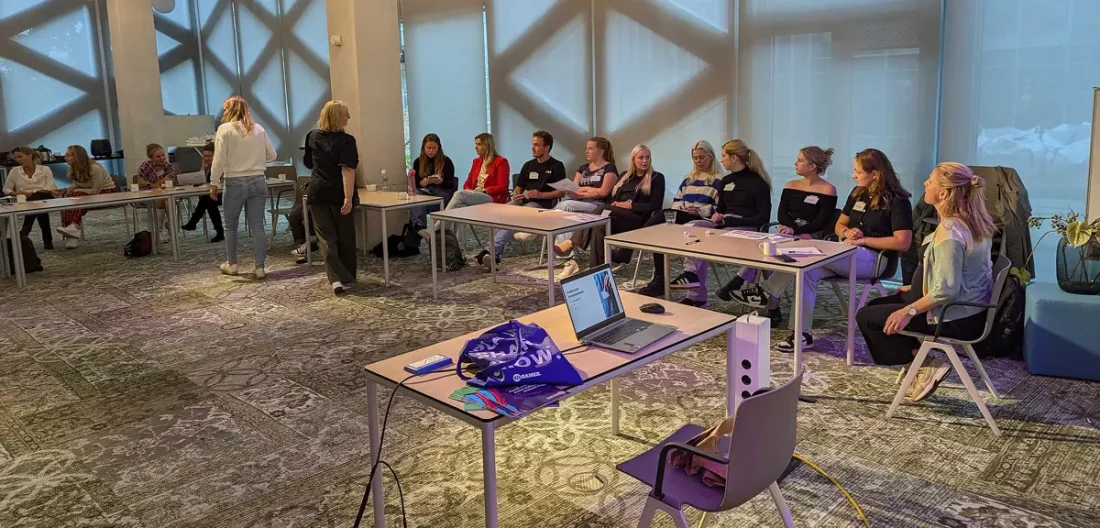
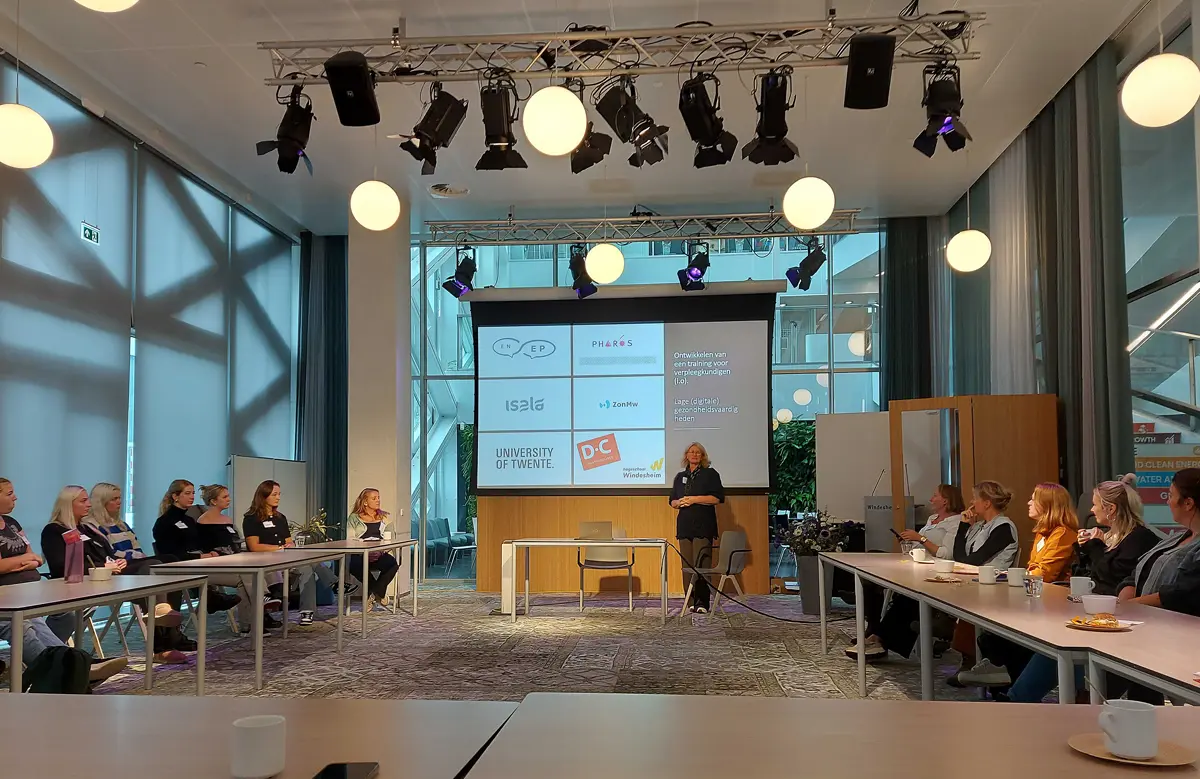
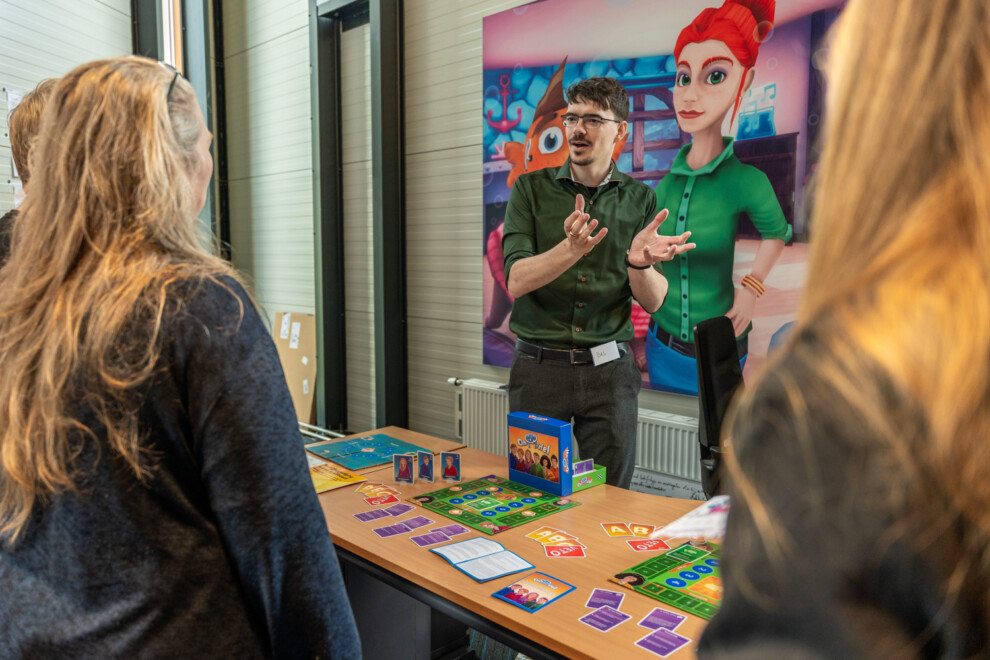
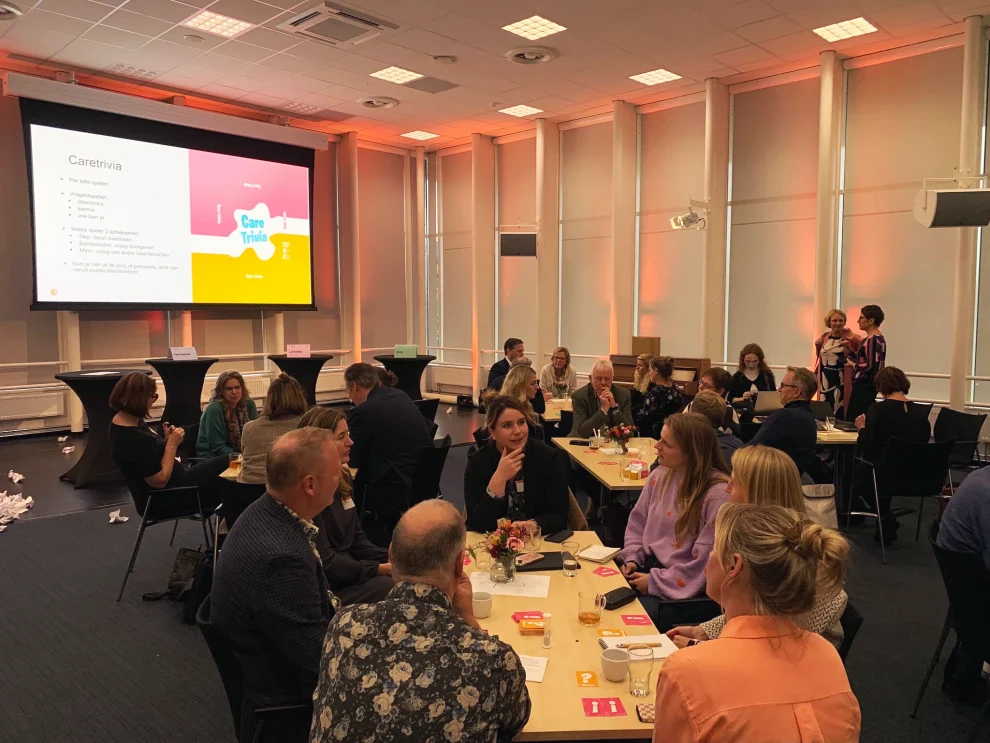
By the time 8D joined the project, a solid foundation had already been laid. In earlier co-creation sessions, nurses, researchers, and students explored how to translate academic insights into practical tools. The outcome: the concept of a card set with concrete assignments that nurses can use during their shifts – accessible, applicable, and grounded in both research and real-world experience. A seemingly simple solution that turned out to be surprisingly complex once we began to develop it in detail. And that’s exactly what made it so compelling. Because how do you design something that doesn’t just contain the right information, but also fits seamlessly into the everyday context of its users?
Together, we explored a wide range of practical and strategic design questions:
Is the card too small to fit enough information? Too large, and it ends up forgotten in a drawer instead of slipping into a uniform pocket. Should it be used in teams or individually? We want it to work for both nurses and vocational students… but what does that mean for tone, format, and accessibility? Is that even feasible, or desirable?
What about adding a QR code to link to more information? Great idea – until someone pointed out that hospital phones often can’t scan them. And perhaps the most pivotal question of all: are we developing a research prototype, or aiming for a scalable product that could be used across different hospitals? That choice influences every design decision that follows.