

Atopia

Science communication about navigation problems

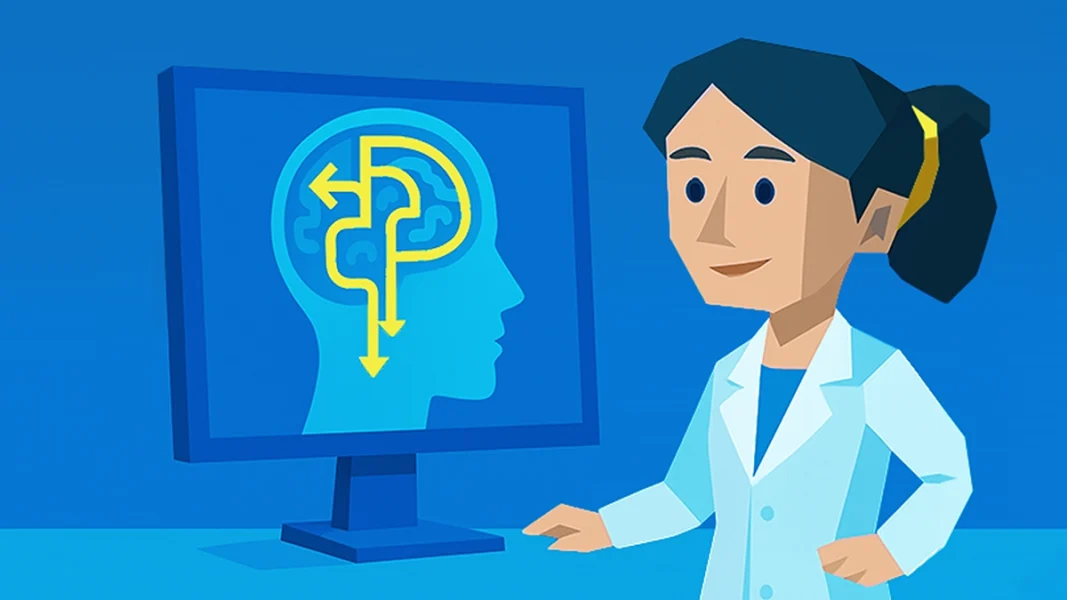
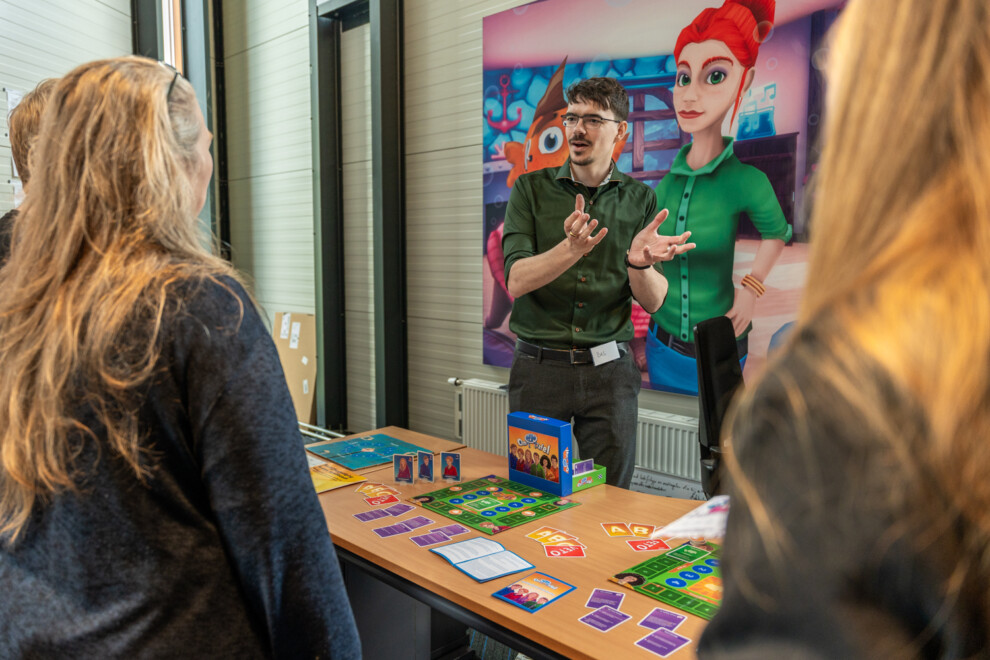
People who get lost a lot often don’t know why it happens or how to deal with it. Atopia, a congenital inability to form a mental map, is barely known. As a result, navigation problems often go unnoticed. That is why 8D works with Professor Ineke van der Ham and her research group at Leiden University on science communication about getting lost. Together, we also make two games about Atopia: a training game and an experience game.

Design Objectives


1
Translating research on Atopia into a website for a broad audience
2
Preparing an existing training game for pilot tests in healthcare
3
Turning a neuropsychological test into a playable game
Questions? Need a sparring partner?

Call +31(0) 58 843 57 57

Giel likes to think along!

science communication about getting lost and navigation problems

Why getting lost stays invisible to science for so long

Around 3% of the population has Atopia and gets lost even in familiar surroundings. Researchers first described the condition in 2009, so many people only learn late that it has a name. In addition, 30 to 50% of people with acquired brain injury (ABI) develop navigation problems. Yet navigation ability is not part of standard neuropsychological assessment.

The Navigation Lab Leiden had already developed a test and a training game. But an article in a professional or scientific journal doesn’t necessarily reach the people who would benefit from this information. That is why the researchers work with 8D. We turn their insights into something people use themselves, at home or in the consulting room.

Approach

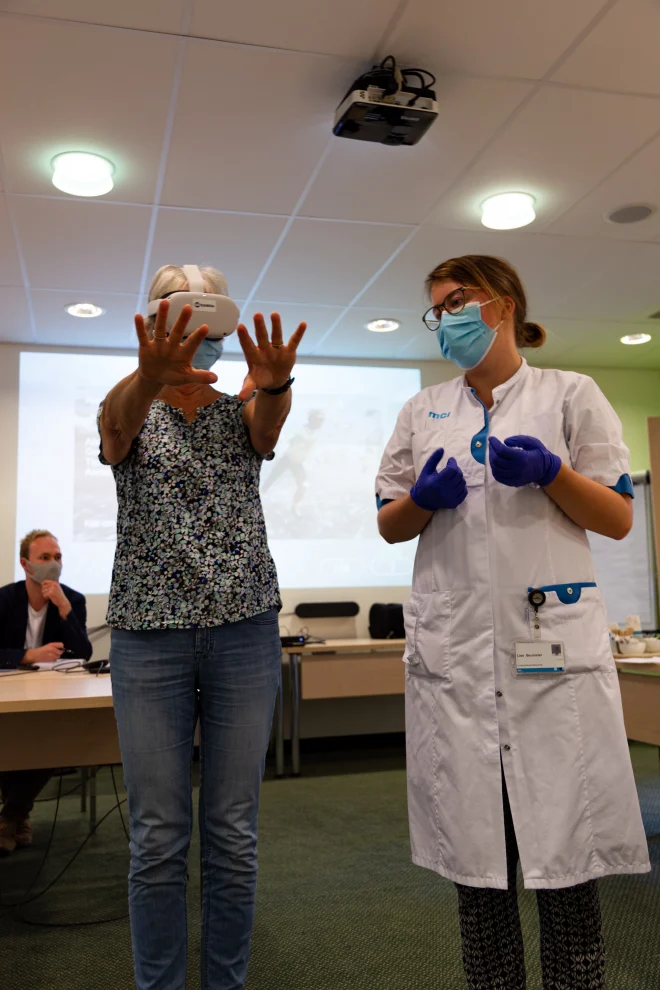
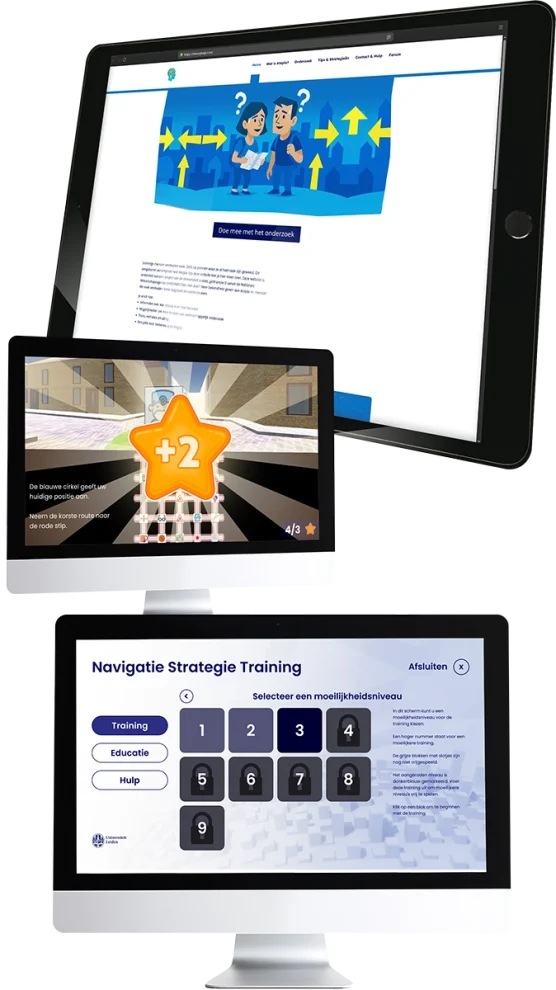
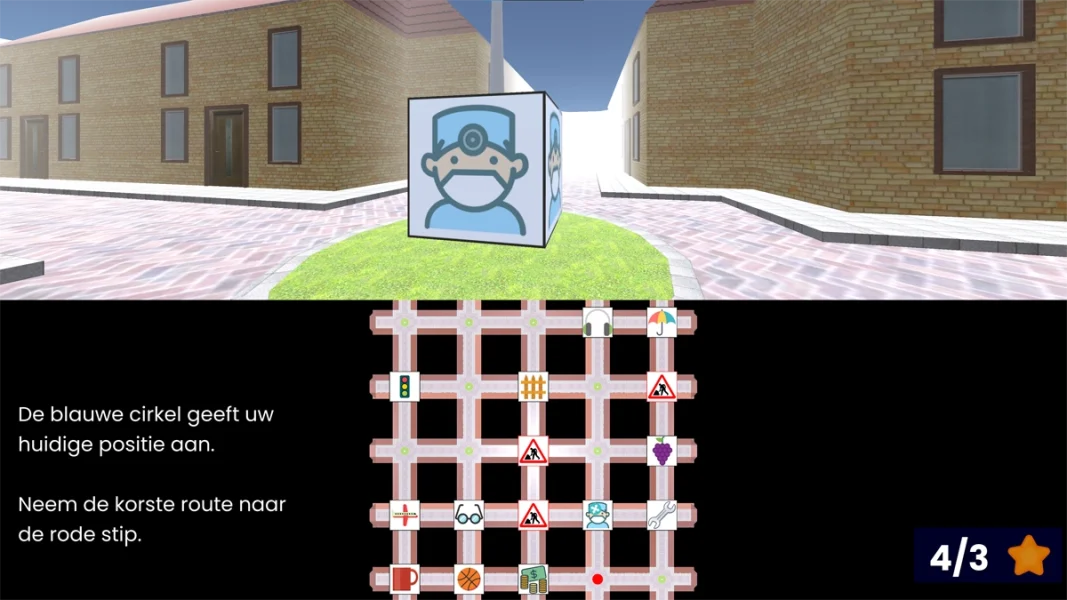
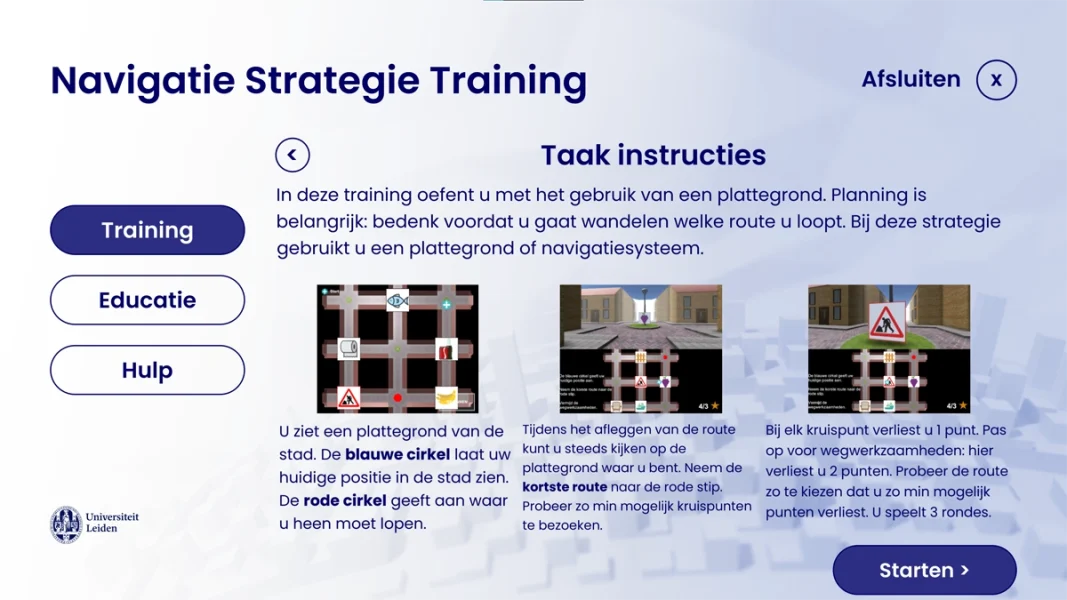
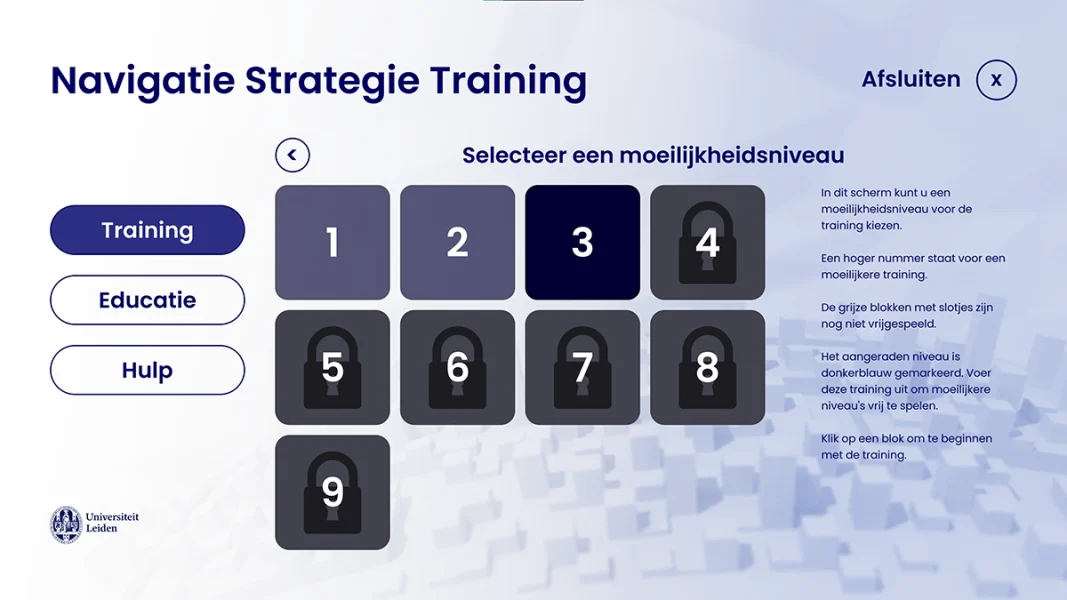
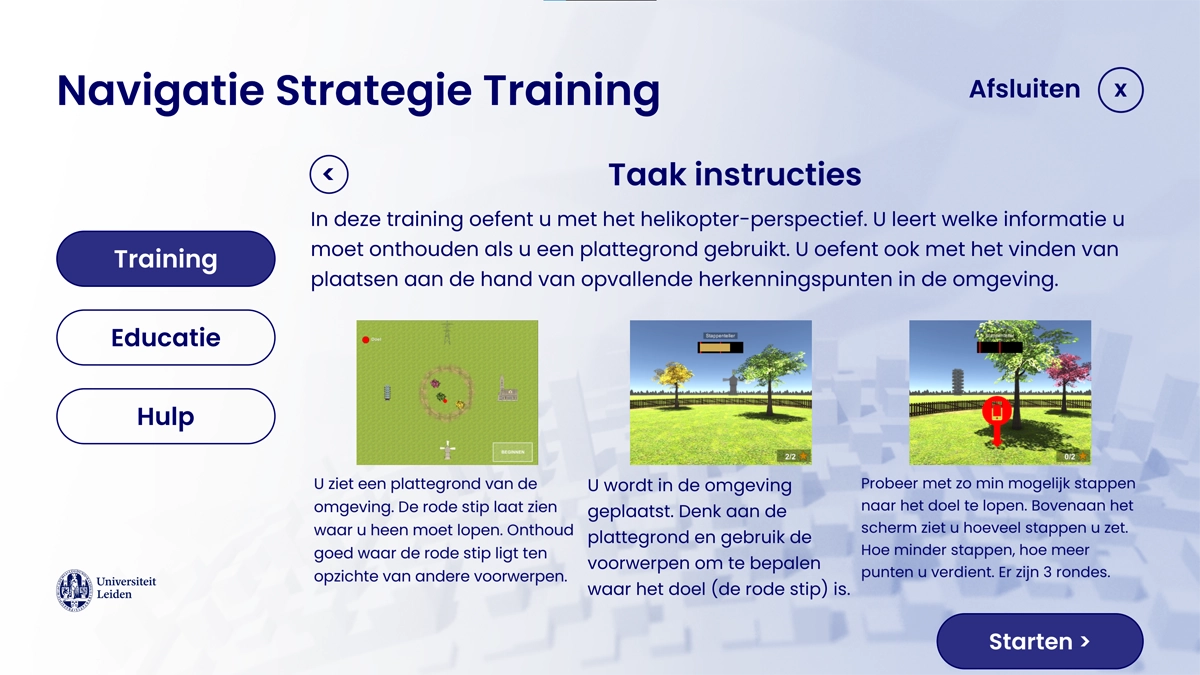
With the Leiden Navigation Training, we didn’t start from scratch. The research group already had a training game with six modules. We took over the code from one of its makers. Then we made the game suitable for hospitals and rehabilitation centres, for example with a profile that therapists can export.

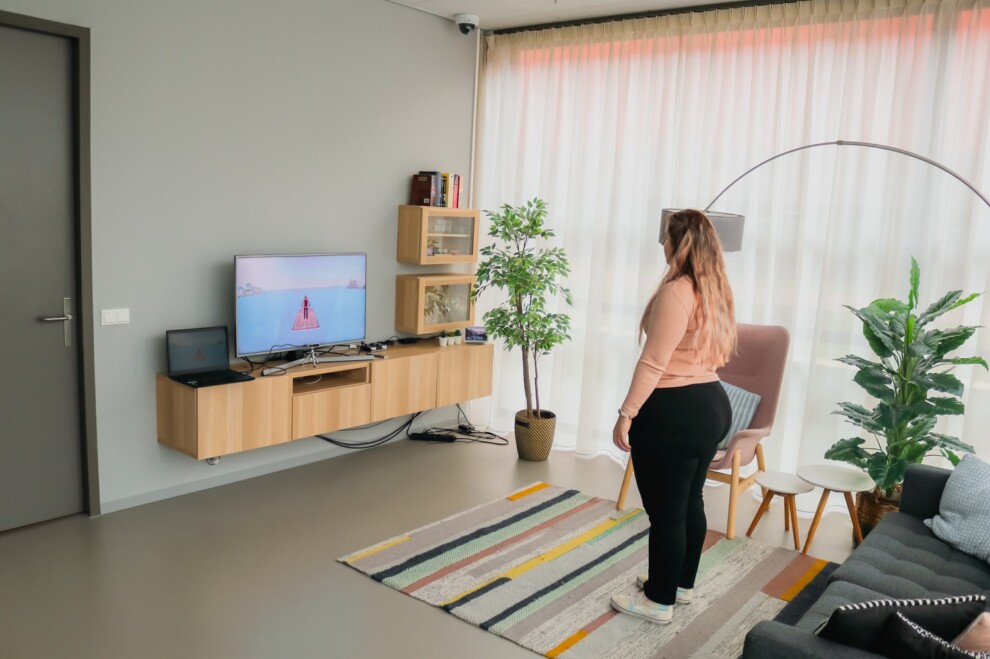
For the Atopia experience game, we used rapid prototyping: quickly building a simple version you can test straight away. The researchers wanted to measure how someone navigates without it feeling like a test. So we turned the Wisconsin Card Sorting Test, in which you discover a hidden rule, into a tower full of portals. After a mock-up and several prototypes, the researchers wanted players to see the world through their character’s eyes. Together, we then chose 3D. This is how we connect research and design: an insight from research and co-creation shapes a design choice.

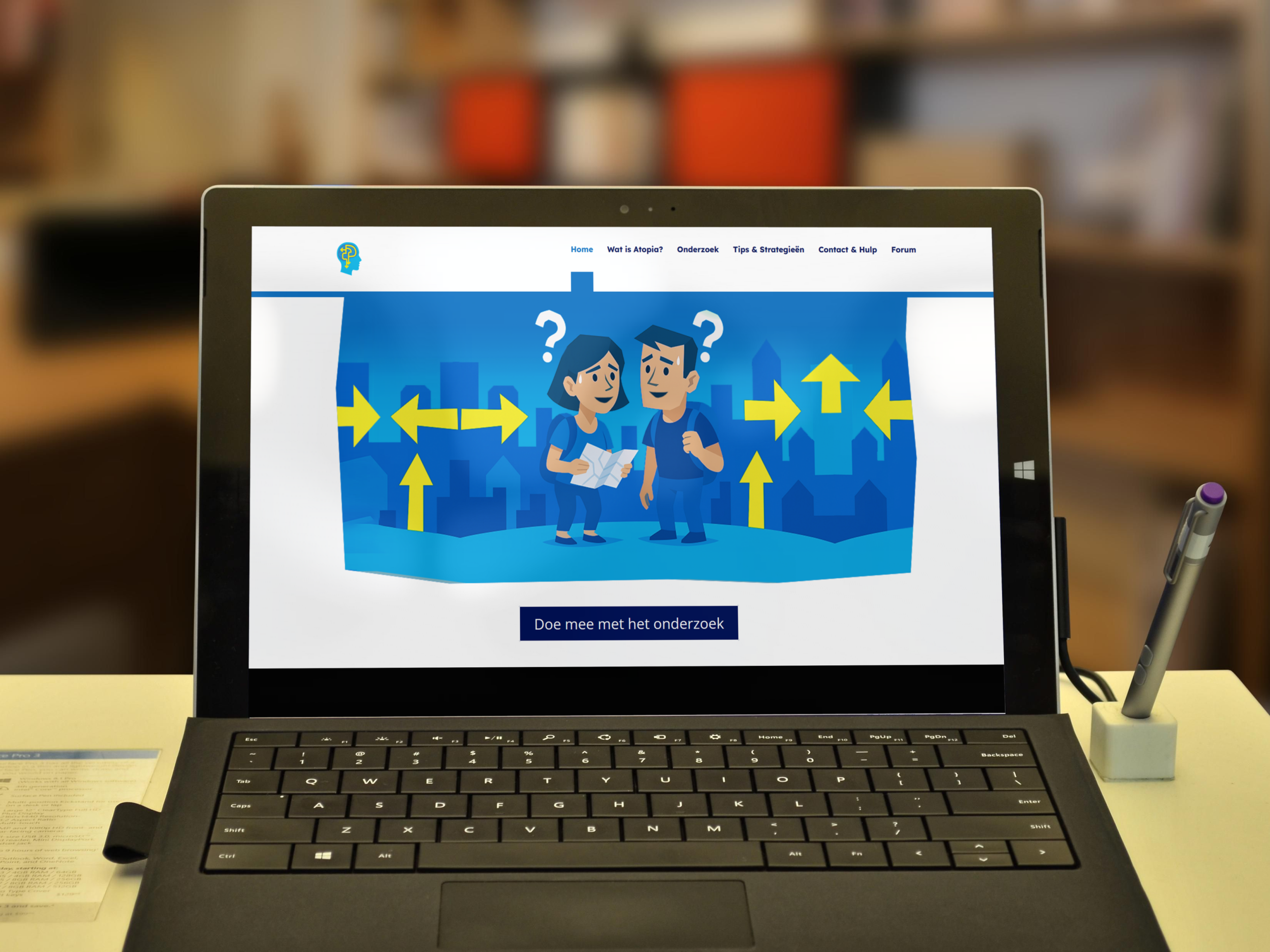
The website De Weg Kwijt is science communication about getting lost: it reaches and informs people with Atopia and connects them with each other. What have others experienced, and which coping strategies can you use? First, we drew a wireframe together, a sketch of the page layout. Then we created the design and built the site, and the researchers wrote the texts. There is also a forum, so that people with Atopia can easily get in touch with each other (and with the researchers).


Website mock-up

“Designers ask practical and critical questions that researchers don’t always think of. It keeps projects grounded and prevents them from getting lost in abstraction.”

Professor Ineke van der Ham

Professor of Technological Innovations in Neuropsychology

Outcome: website, training and game as science communication

On De Weg Kwijt you can read what Atopia is and find tips and personal stories. You can also sign up for research there. This is how the research group recruits participants through the website.

  • Website De Weg Kwijt, online since September 2025
  • Leiden Navigation Training in a version for healthcare, for a pilot at UMC Utrecht, Basalt and De Hoogstraat Rehabilitation
  • In development: 3D game about Atopia, an accessible, playful test of your navigation strategy with data export for researchers

Read the interview with Ineke van der Ham on Atopia and design. Would you like to find out more about Atopia? Take a look at Professor van der Ham’s media appearances relating to the creative outputs of recent years.

Abonneer je op onze nieuwsbrief