


Elsa-NN

Science Communication Through Play
Educational games about AI

Within the consortium ELSA AI Lab Northern Netherlands (ELSA-NN) and commissioned by UMCG, 8D is developing a series of educational games about artificial intelligence (AI) for children aged 8 to 12. Together, the games form a modular learning programme that can be deployed in a variety of settings. Science communication through play!

Design goals


1
Design a modular learning programme that can easily be used in different environments, such as festivals or (mobile) classrooms
2
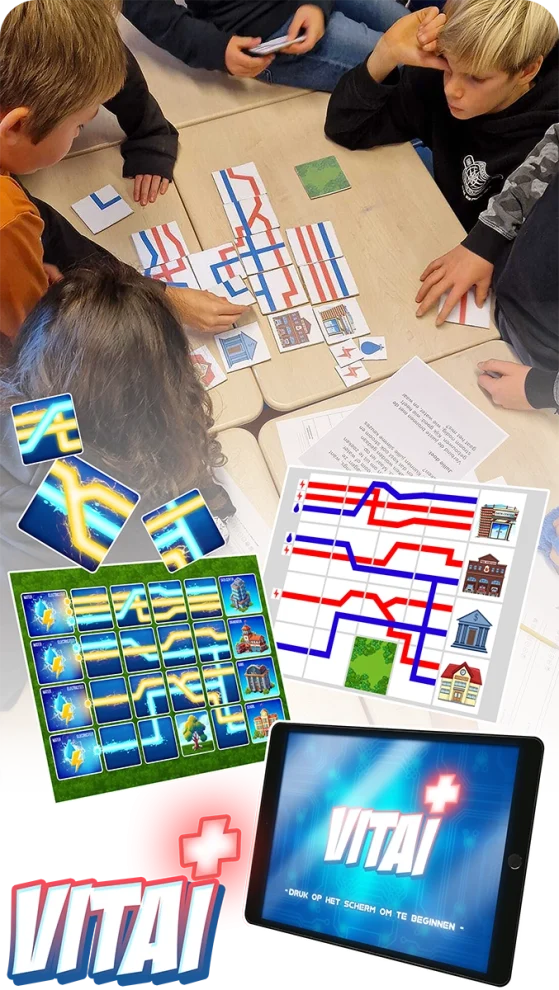
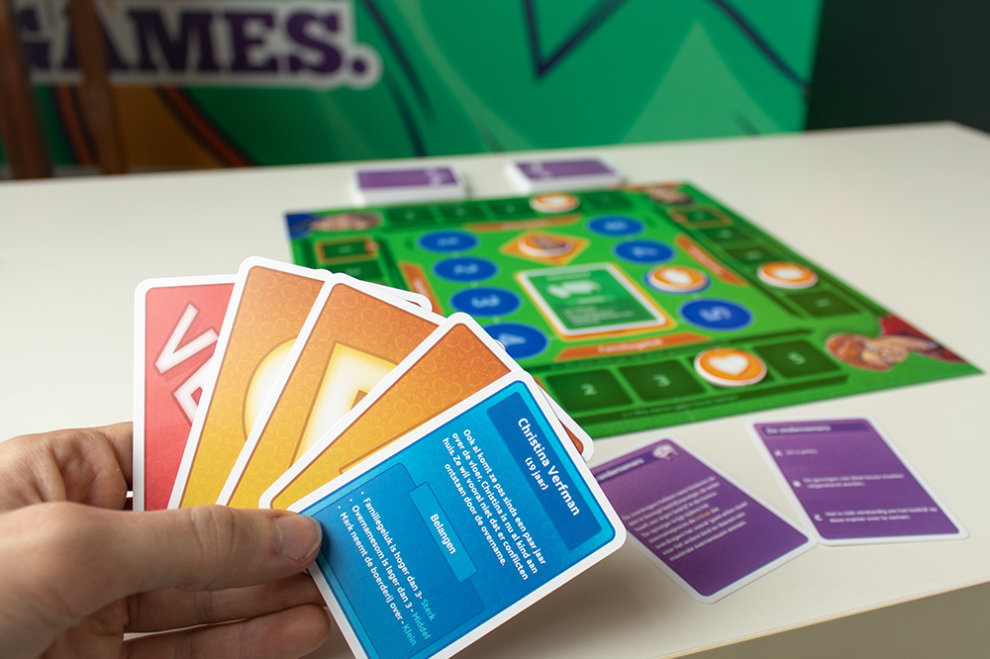
Combine analogue and digital elements into one coherent game experience
3
Translate complex dimensions of AI use into interactive learning experiences
How do you translate complex learning to an interactive experience?

Strategic Designer Bas is happy to tell you more about the entire process!

Introducing young learners to responsible AI use

Artificial intelligence is reshaping society in far-reaching ways. Yet public discussion often remains limited to experts or policymakers, while children and young people, as future users and creators of AI, are an equally important audience. With this project ELSA-NN and UMCG aim to involve them in the ethical, legal and societal aspects of AI in a playful and accessible way.

Through games and puzzles, students not only learn how AI works, but also explore the contexts in which this technology may or may not be appropriate. For example, they discover how data is selected, what choices people make when training AI systems, and what the impact of AI energy consumption can be. In doing so, the programme encourages critical thinking, collaboration and curiosity about science and technology.

From idea to prototype

As always, the project began with carefully mapping the wishes, requirements and usage contexts, while also considering the long-term durability and usability of the materials. Based on this, we developed several creative storylines. One concept stood out and became the foundation for our prototypes.

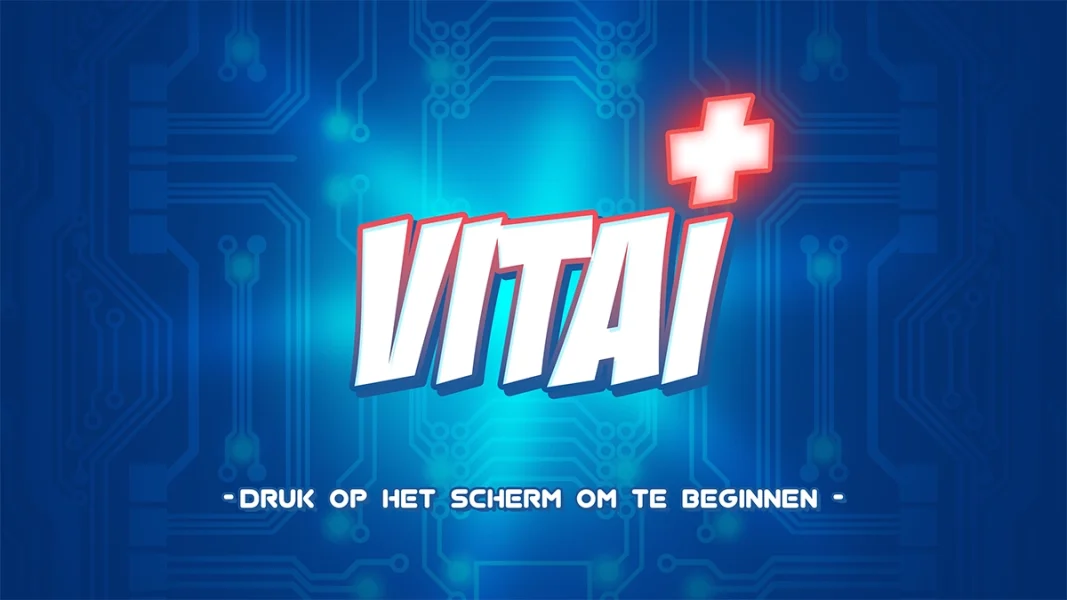
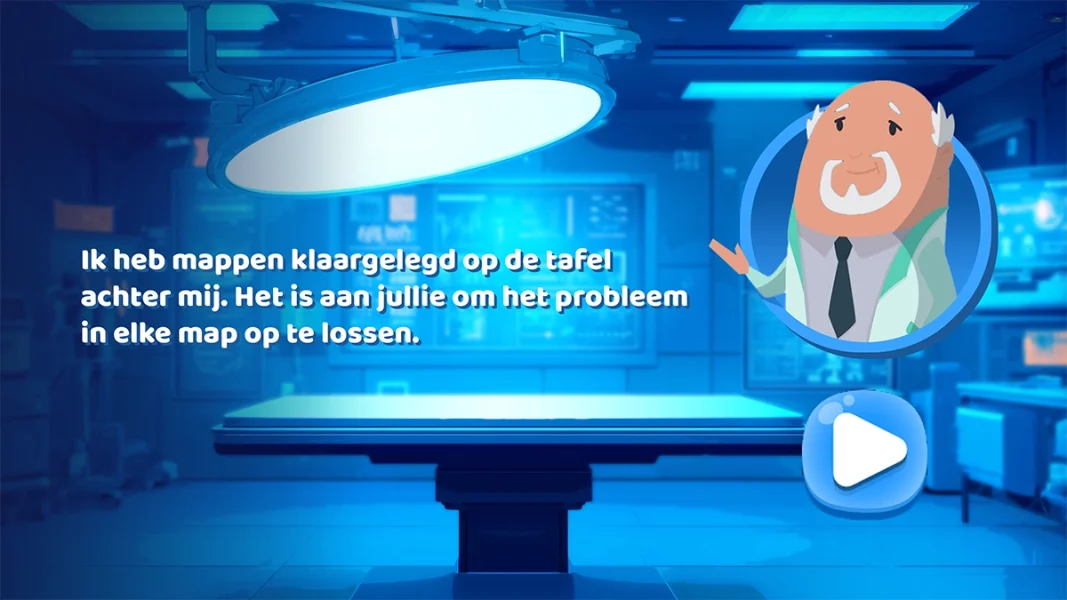
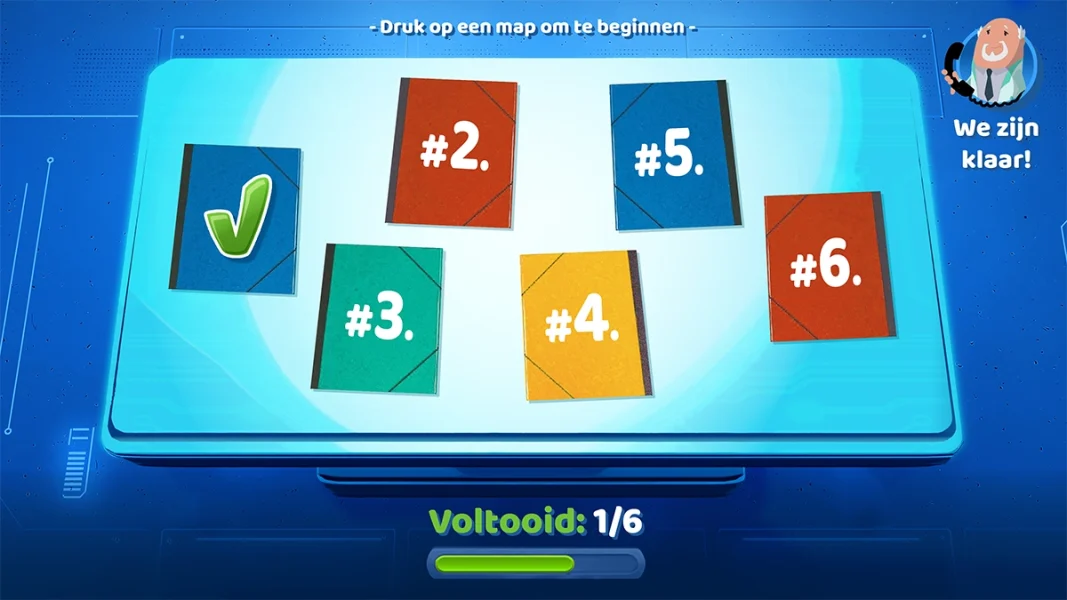
In this concept, students enter a fictional hospital where AI is used in many different ways — with mixed success. They receive a stack of case files describing situations in which AI has gone wrong. These cases urgently need investigation. Some involve serious problems, while others are humorous or even bizarre.

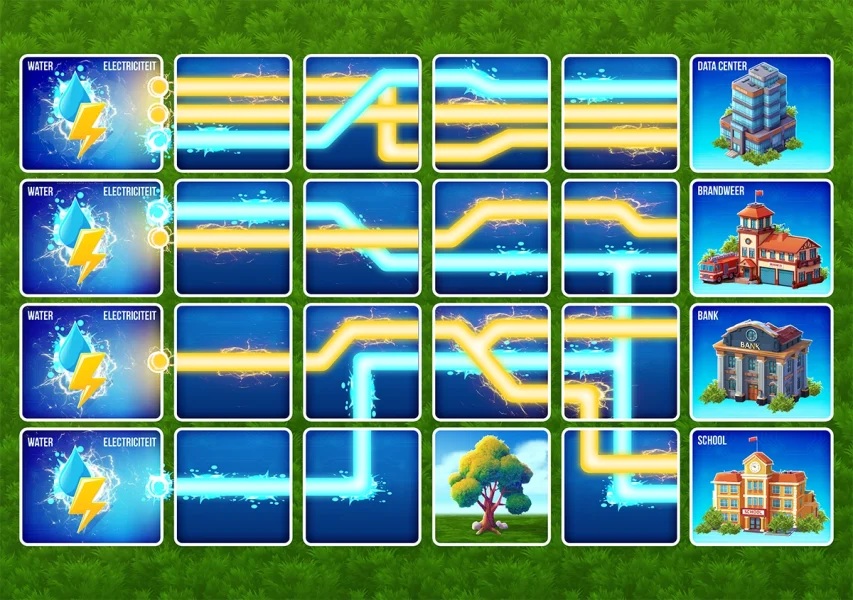
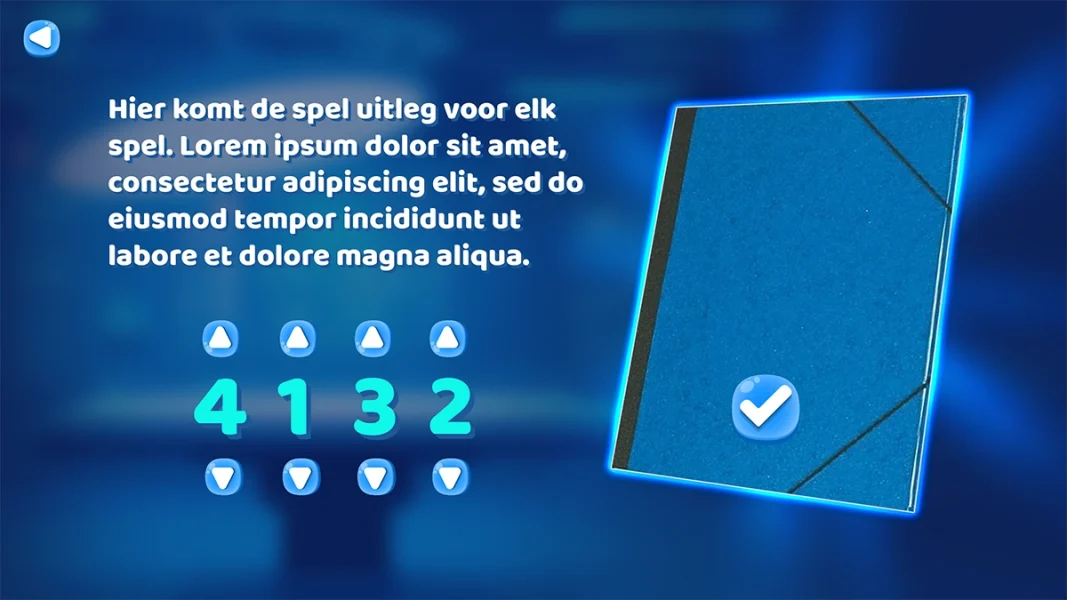
Each case file contains a mini-game focusing on a different aspect of AI, ranging from data labelling to energy consumption. By working together and solving puzzles, students gradually discover how AI works, where it gets its information from and what its potential pitfalls are.

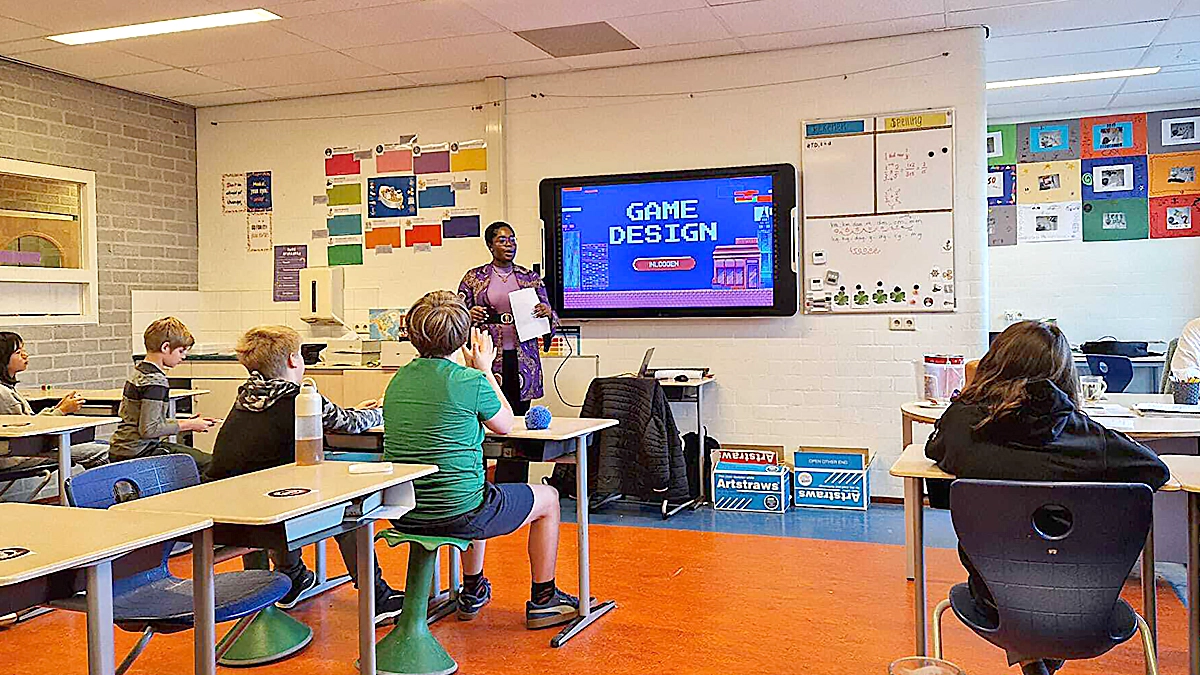
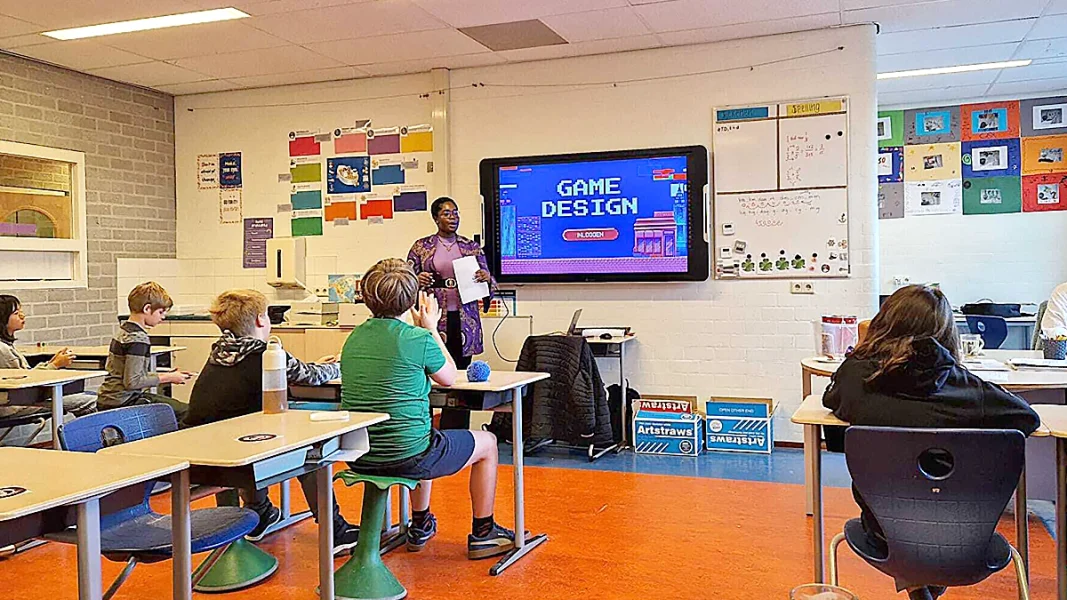
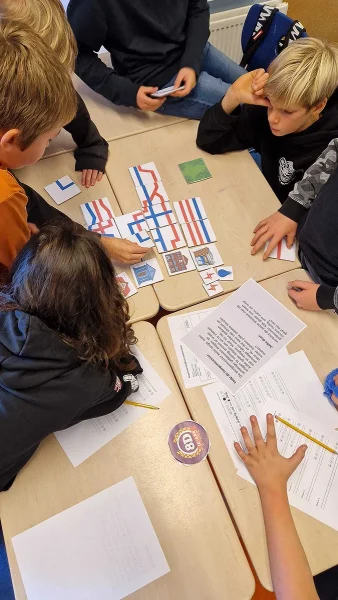
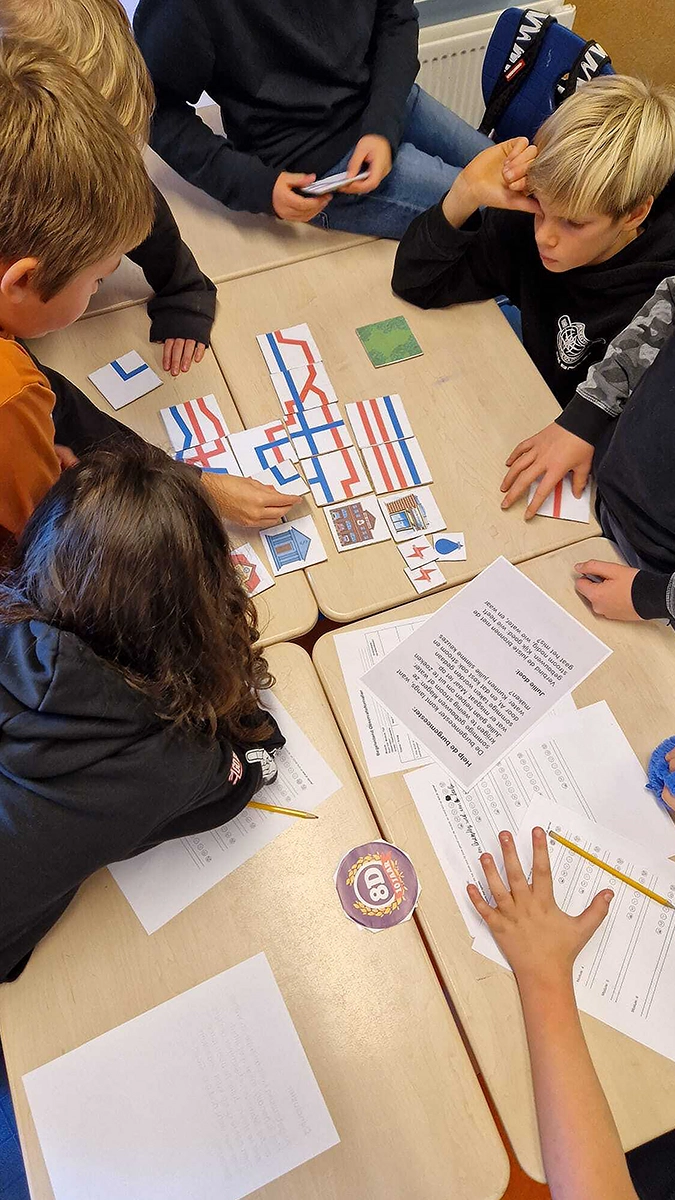
Test moment with the most fun target audience! Kids!

Early results

A great deal of time has been invested in testing and refining the individual games in co-creation with primary school students. In small groups, they played working prototypes of the case files while our team observed how they collaborated, where they got stuck and what sparked their enthusiasm.

Before and after playing, we asked them questions about AI, such as: “Do you think AI always tells the truth?” and “Who does AI learn from?”
Even during the first tests with minimally developed prototypes, we saw that children became better able to articulate what AI is, how it works and where its limitations lie. This also highlights the power of the process itself. By actively engaging with a topic — even at an early stage — it already begins to resonate with the target audience.

Over the coming months, we will incorporate the insights from these tests and work towards a fully developed visual and gameplay design for the complete series of games. The programme is expected to be ready for use from mid-2026 onwards in a variety of locations and events, such as science festivals, museums and classrooms.

ELSA-NN (ELSA Lab Northern Netherlands) is a regional collaboration focused on responsible, inclusive and human-centred use of AI in healthcare. Citizens, researchers, companies and governments work together according to the quadruple-helix model. ELSA stands for the Ethical, Legal and Societal Aspects of AI.

Abonneer je op onze nieuwsbrief