Serious games for research
Serious Games as a Research Tool Games as a Method Serious games can contribute to scientific research in many different ways and at many different stages. Think of collecting quantitative…


Can playfully imitating movements in a video game help people train their balance? In particular during recovery after a stroke? Together with researchers from the University of Twente and RadboudUMC, we set out to answer that question. In co-creation we developed a prototype with which academics, healthcare professionals and patients conduct research together.



Johan will be happy to tell you more about the process!

Good balance is vital for stable walking and preventing falls, especially for people who have had a stroke. That one step in the recovery process can make all the difference. Unfortunately, there aren’t many opportunities to train your balance at home yet. Let alone in a fun and motivating way. This is what PhD researcher Aurora Ruiz Rodr?guez, together with colleagues at the University of Twente and Radboud University Nijmegen, wanted to change.
Game development is, at its core, a research process. Before anything is programmed, countless questions must be answered. This requires consultation between various specialists, the target audience and us as designers. This process always yields valuable and practically applicable insights – and, in the case of HEROES, an appealing game prototype that Lotte Hagedoorn, PhD researcher at RadboudUMC, was able to use to conduct follow-up research with patients.
 Approach
HEROES development involved not only researchers, but also physical therapists and eHealth experts. After all, the movements in the game must be responsible and effective. In addition, together we mapped out practical frameworks and requirements. A game intended to be played (independently) at home logically uses different hardware and sensors than a game in a medical exercise lab. We provided technical advice appropriate to the frameworks and developed creative gameplay that matches the exercise advice of physical therapists. We also advised on collecting research data in an ethical and purposeful way.
In the HEROES game, a captain stands on a raft. The captain is occasionally thrown off balance – for example, by a bird that must be dodged – and then takes a step to avoid falling. The player of the game must take the same step as best he can. The game can be played with a laptop and a KINECT, a small sensor that is easy to deploy in the home situation.

Bron: NPOradio1.nl (Verslaggever Roel Pauw sprak met onderzoekster Lotte Hagedoorn en patiënt Ronald.)


 Results
The game prototype was tested with patients in collaboration with six rehabilitation centers in the Netherlands.
Study participant Harold found the game accessible and easy to use. In an interview with Klimmendaal, one of the participating rehabilitation centers, he said: “It was fun and challenging to do, and the game is cleverly made. (…) All you need is some space behind your screen, and the screen has to be compatible with the game. The big advantage of training at home is that you can do it whenever you want. For me, traveling to a training location wasn’t a problem, but I can imagine that it would be for other patients. Training at home solves that.”

On October 28, 2026, Lotte Hagedoorn (Radboudumc) will defend her PhD on her pilot study with the HEROES game. We’ll share the resulting publications here.
At 8D, we support researchers in integrating a design approach into their work, from project design to creative product development and process supervision. This participatory methodologies help solve complex, human-centered issues and embed research results sustainably in society.
Would you like to contribute to the research? You can find all the information on this page from Radboudumc.
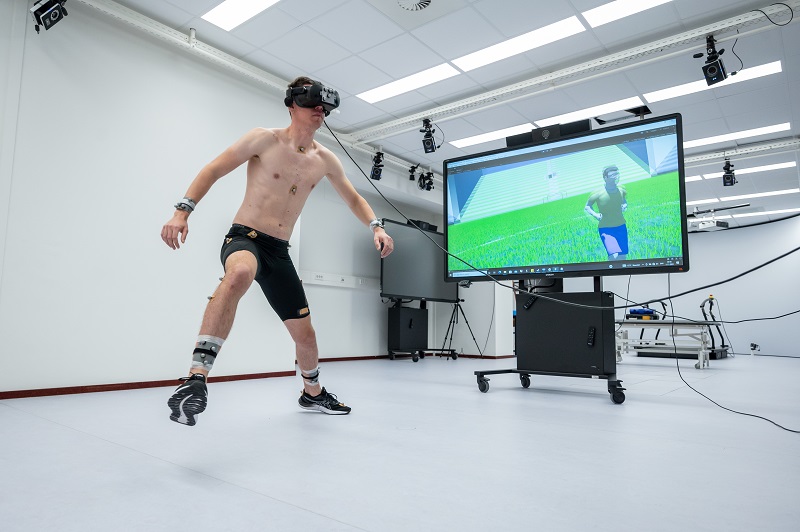
Serious Games as a Research Tool Games as a Method Serious games can contribute to scientific research in many different ways and at many different stages. Think of collecting quantitative…
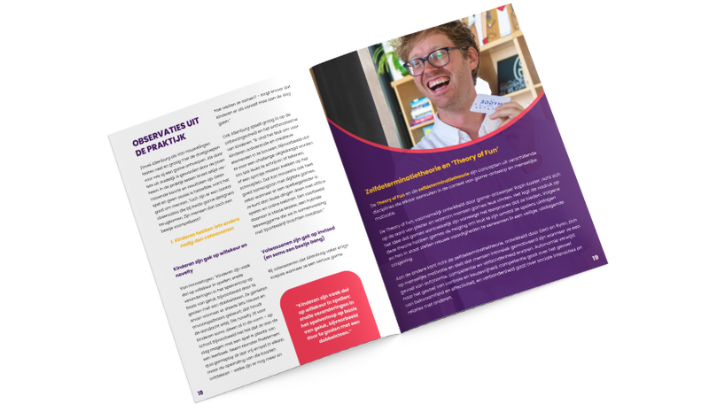
What is the relationship between serious gaming, science and psychology? And why is serious gaming really much more than a game anyway? This white paper is not about games, but about serious gaming as a scientific method for researching (social) tasks!
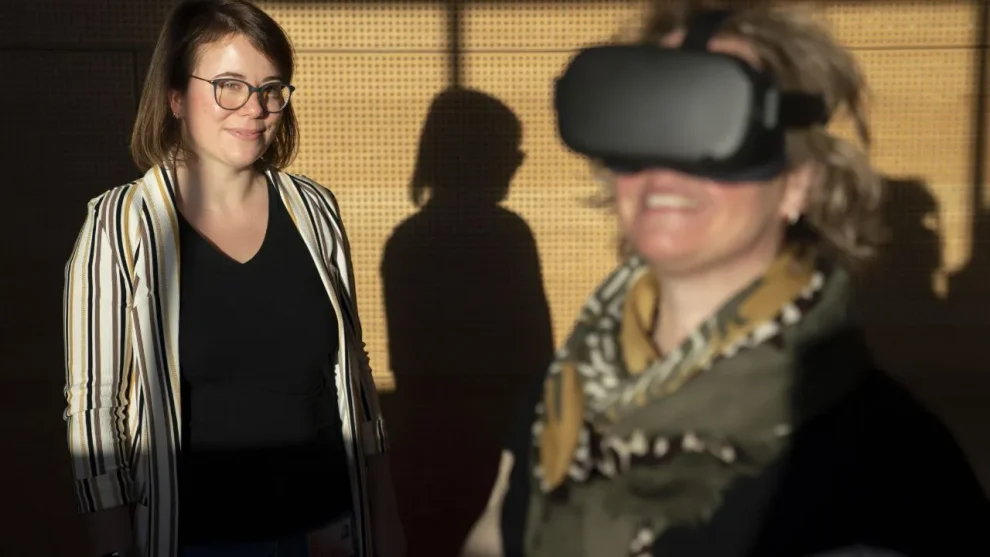
Interested in the possibilities of serious gaming in healthcare and research, and want to know more about the process of doing PhD research in this field? On July 5, 2023,…