International partnerships
Participation in European consortia increases your impact. Discover our role as a design partner in international collaborations and European programs, where we actively expand our network and initiate new projects.


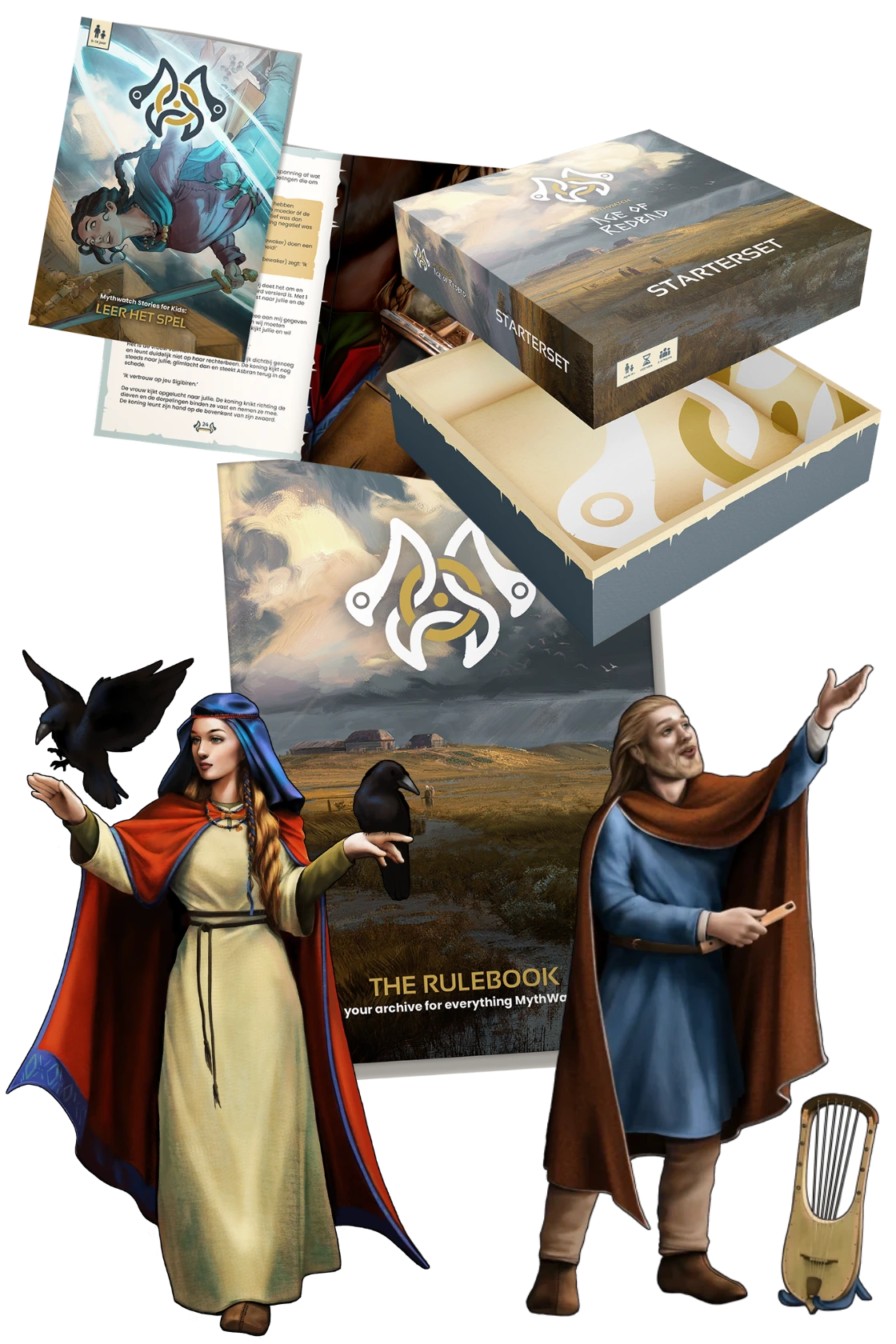
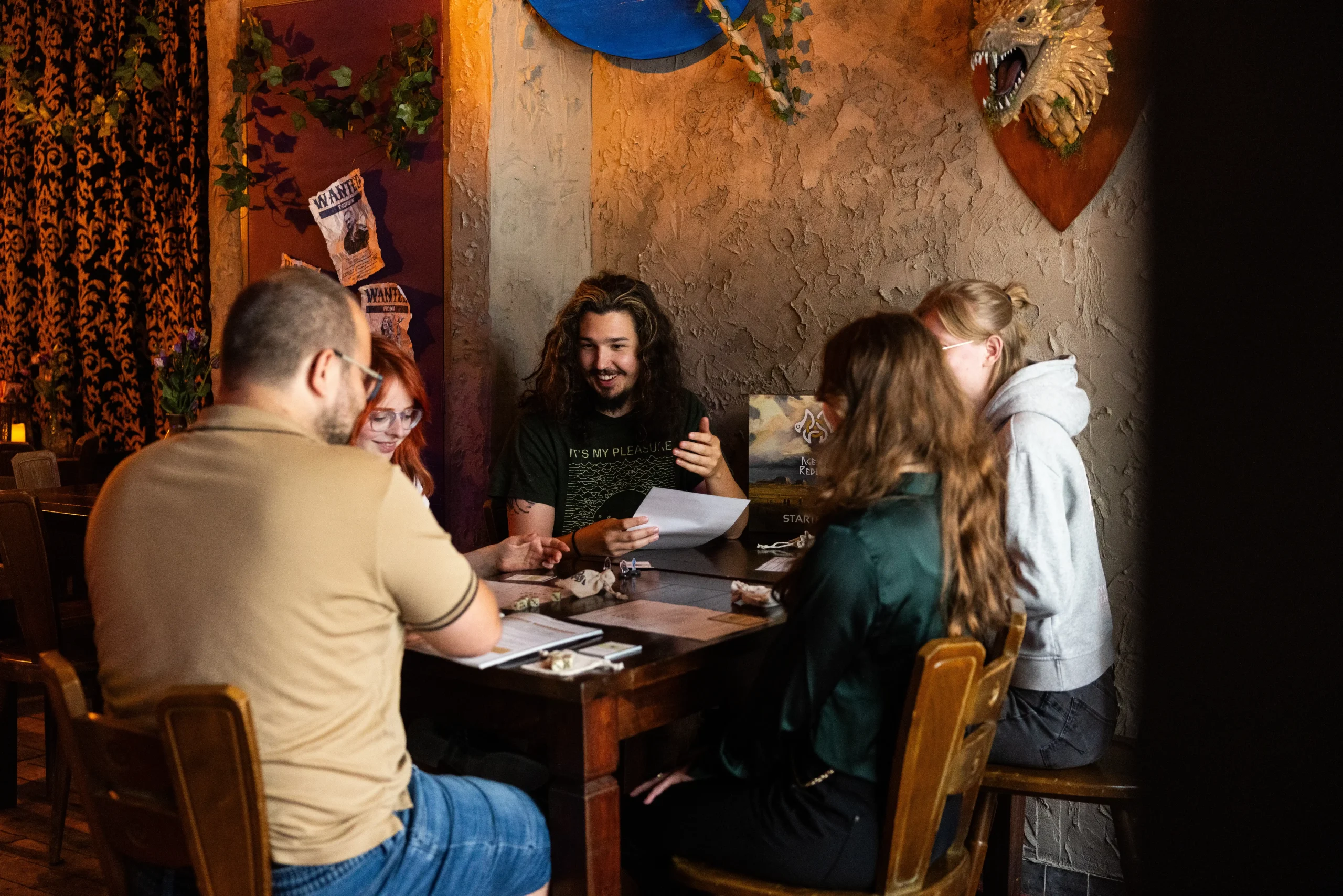
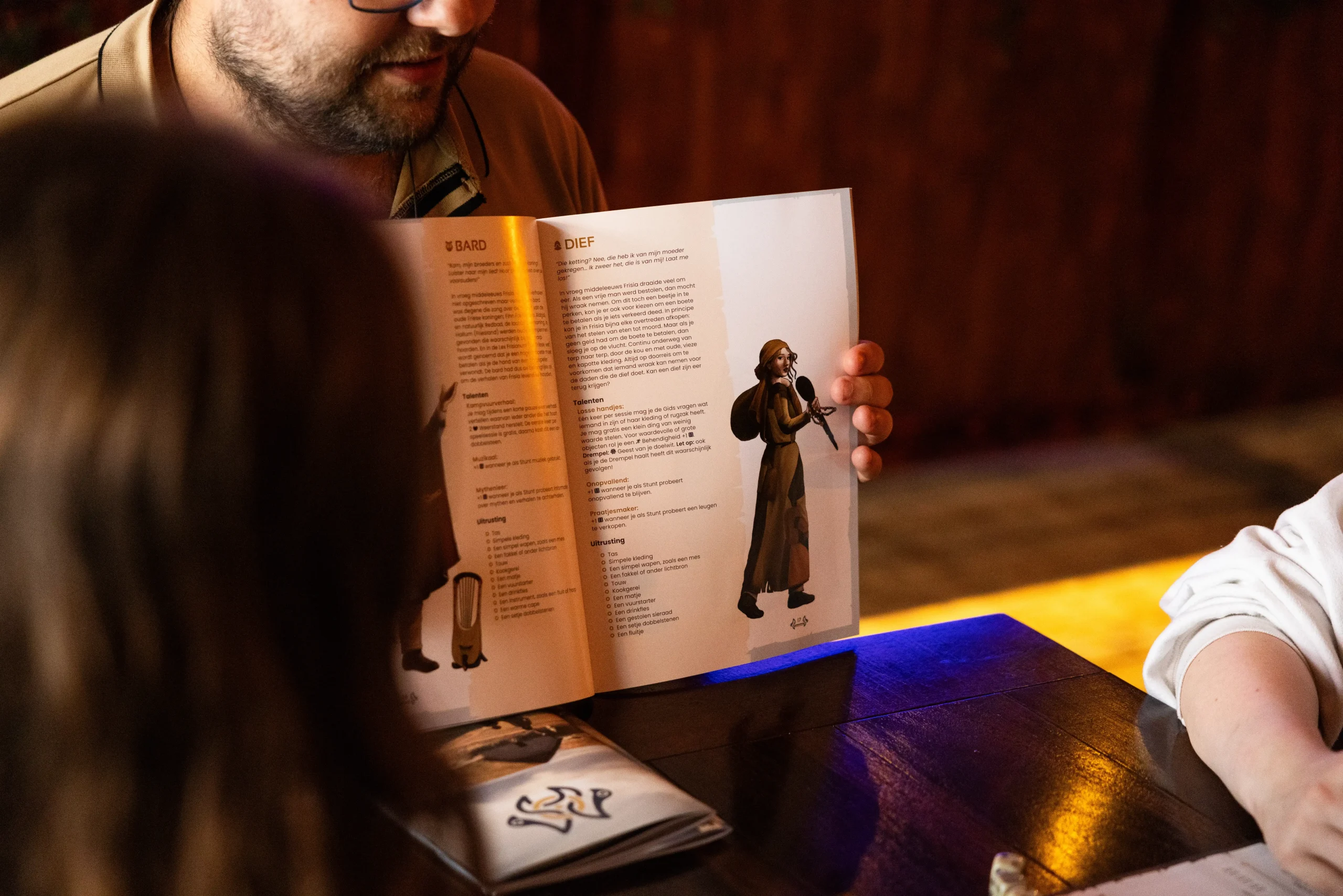
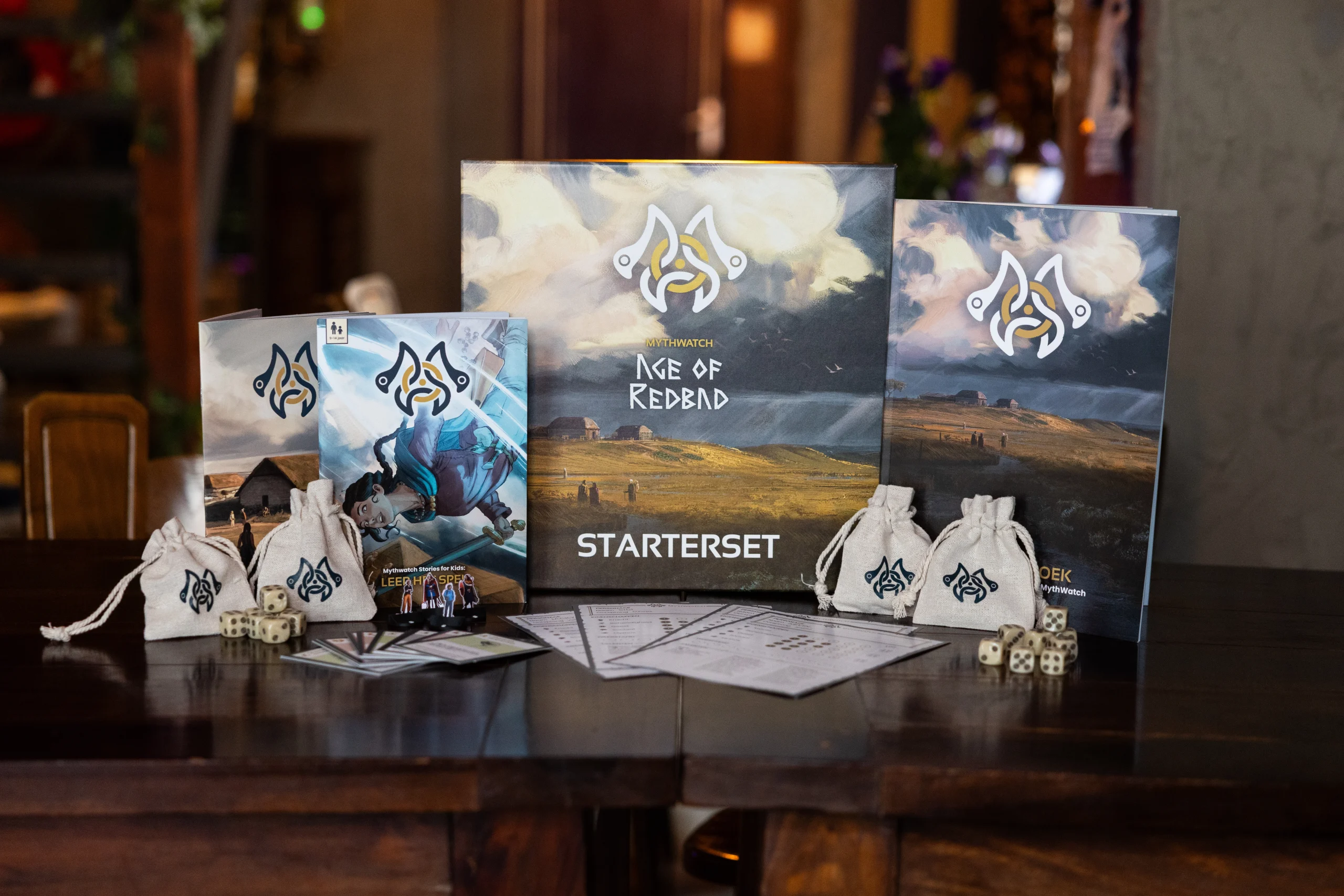
For Stichting Mythemakers, we built the design framework behind MythWatch: Age of Redbad, an accessible role-playing game set in the time of King Redbad. Role-playing games are still too often seen as a complicated hobby, and one that’s hard to get into, at that. With MythWatch, Mythemakers is changing that.

Strategic Designer Bas would love to tell you more!
Mythemakers uses role-playing games to bring people together, from young people in youth care to school classes and teams. Dungeons & Dragons already worked really well for this, but new players find it complicated. So the foundation set out to share the fun of playing together with even more people.
With its own game system, Mythemakers can create an accessible role-playing game and decide for itself how heavy the rules should be. It also keeps the historical themes of its stories in its own hands. The world of MythWatch: Age of Redbad, for example, is based on research from the REDBAD project into Frisia in the time of King Redbad.
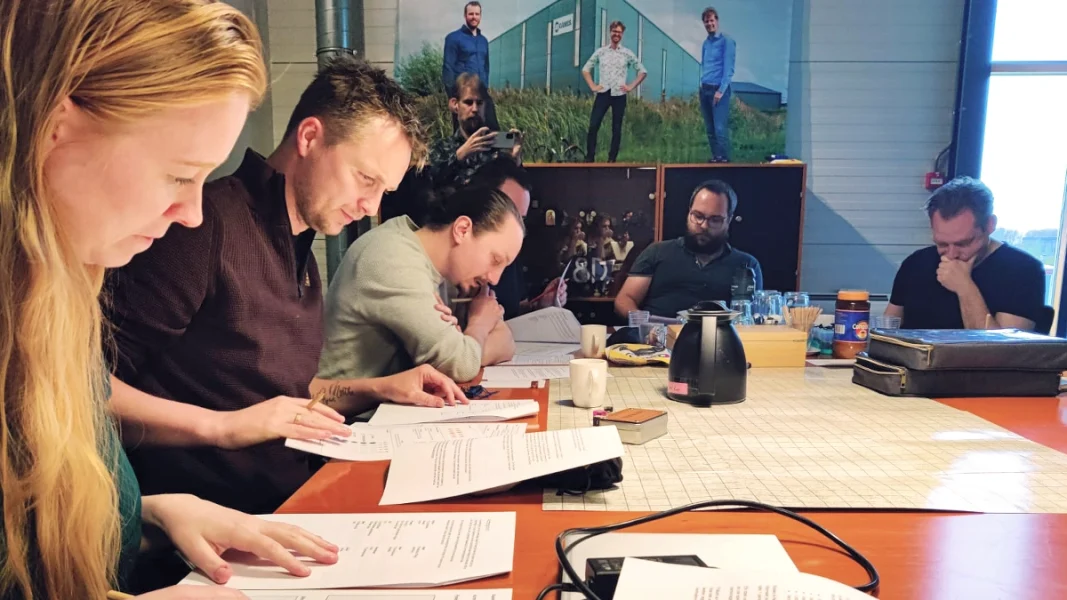
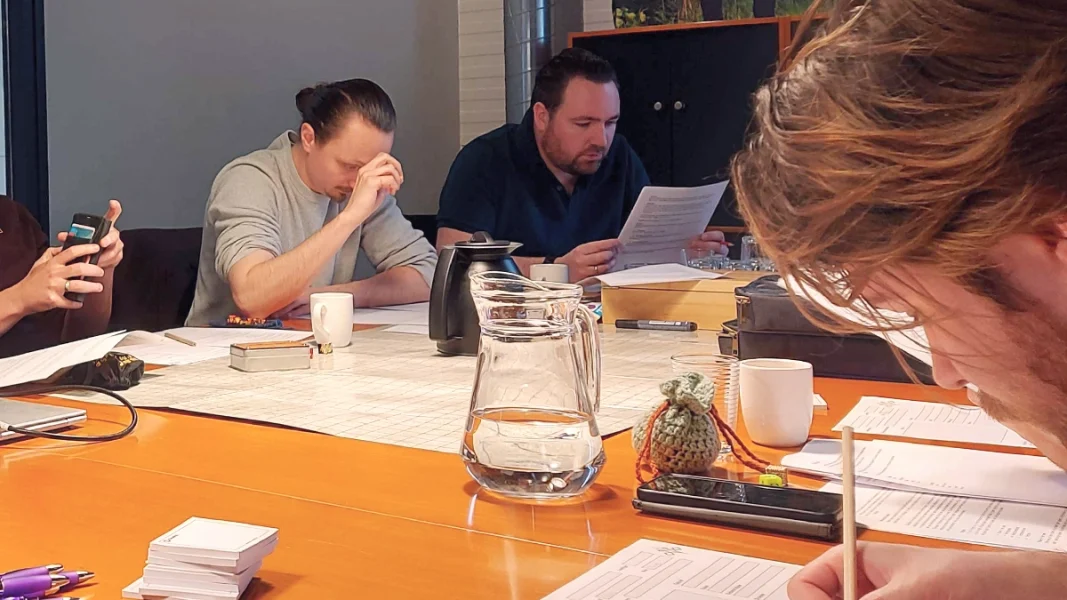
What did the game need to do? To find out, Mythemakers and 8D held two sessions with six youth workers. These produced clear requirements: a session lasts two hours at most, the game needs little preparation, and failing has to be fun. Strategic designer Bas Altenburg turned these into five design pillars: fixed principles that every design choice has to meet. On that foundation, the rules and mechanics were developed, and Dirk from Mythemakers wrote the world, stories and characters of MythWatch: Age of Redbad.
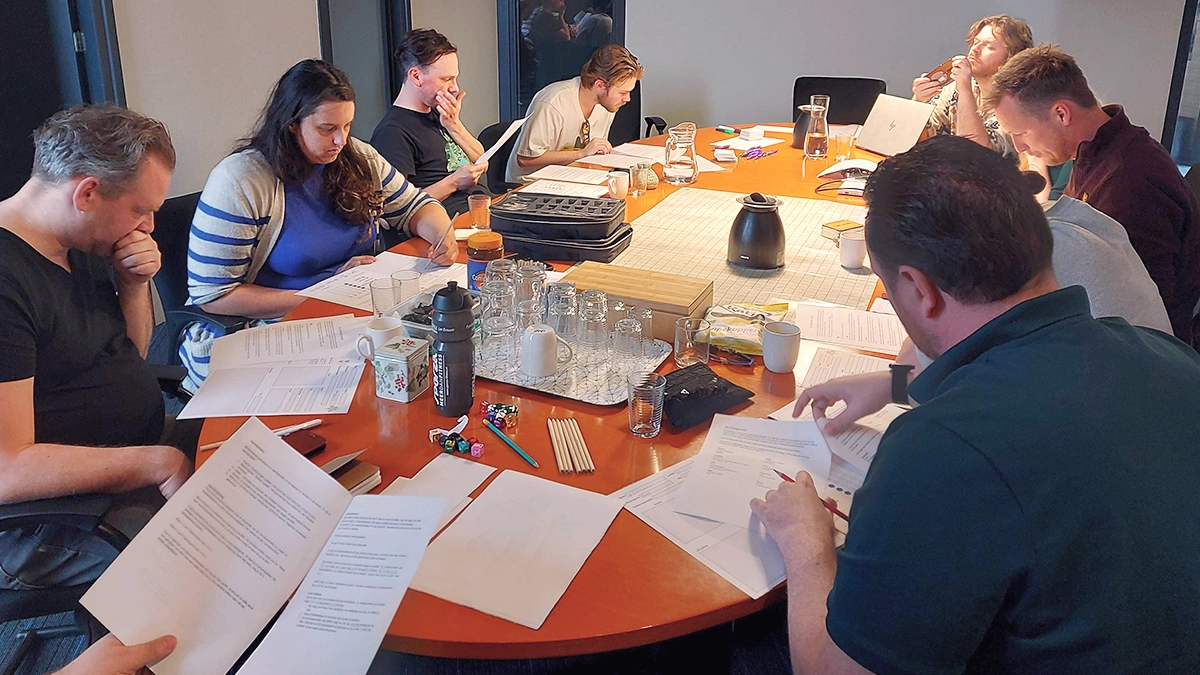
Then it was time to prototype: you play an early version of the game and use a test protocol drawn up in advance to see what happens. In the April 2025 playtest, Mythemakers ran the game themselves. The game world won people over straight away, but the rules raised a lot of questions, especially around combat. The test therefore led to refined guidelines: simpler rules, consistent rewards and more examples.
Just as important as the game and its mechanics is the explanation that comes with it, because that decides whether a new player takes the first step. So team member Nicole van den Berg dug into Mythemakers’ draft rulebook and advised on an accessible structure and style. Her outsider’s view helped: “I’m a complete novice when it comes to role-playing games like Dungeons & Dragons, and that actually turned out to be a big advantage. I ran into exactly the same questions as a new player opening a rulebook like this for the first time.”
Finally, a game also has to be found. That’s why we took care of the technical build of the MythWatch website and created the mood illustrations. They capture the atmosphere of the Archive, the headquarters of the time travellers in MythWatch.
Managing Director, Stichting Mythemakers

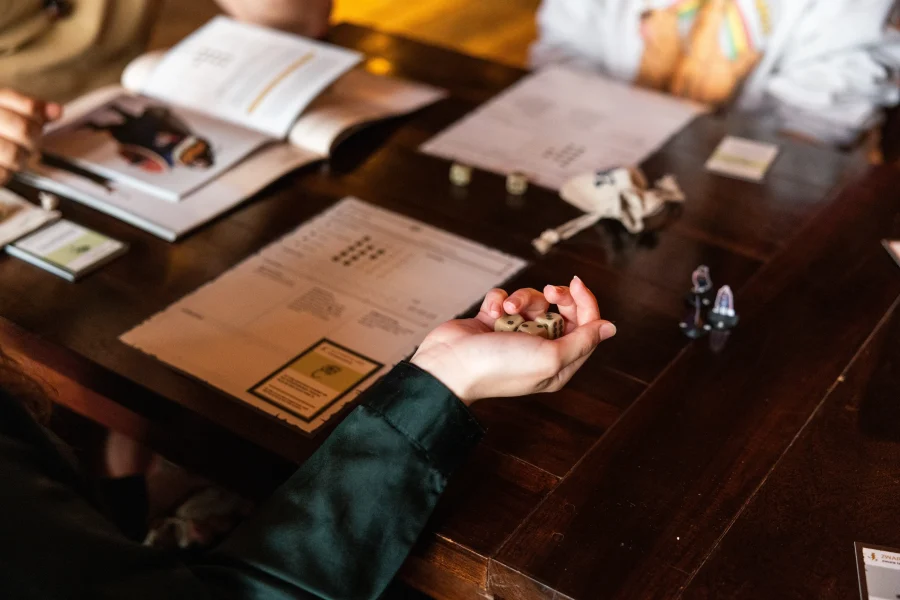
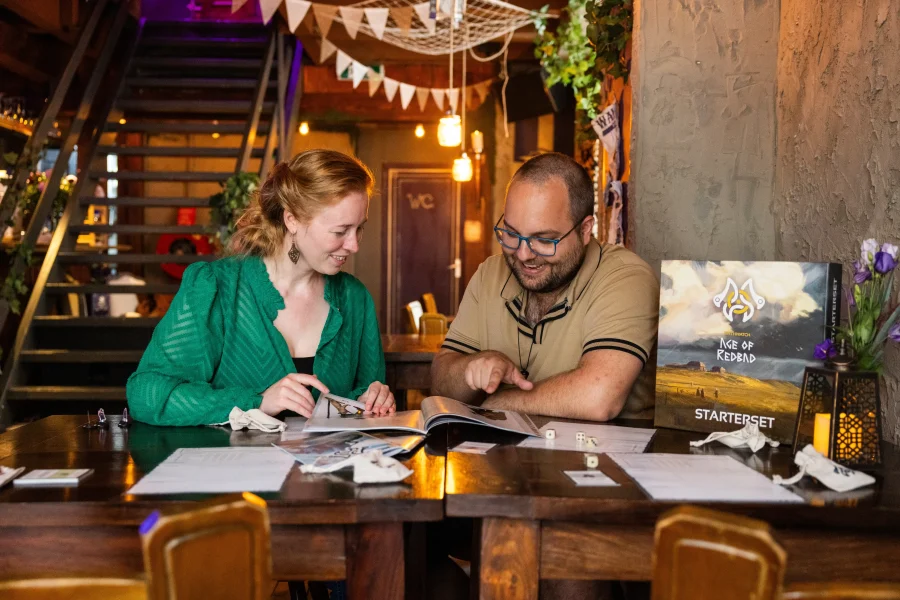
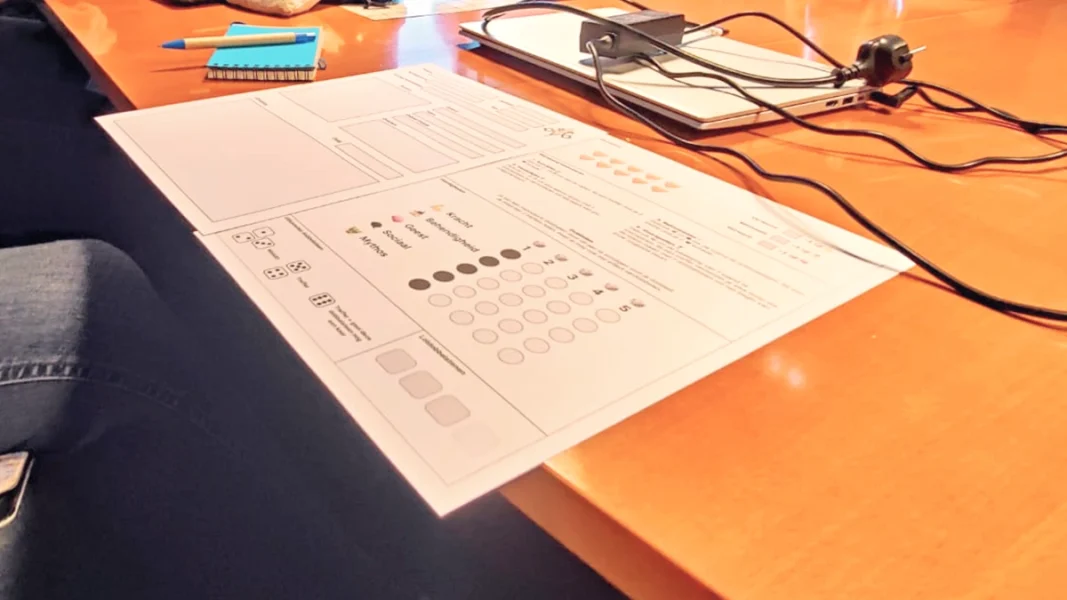
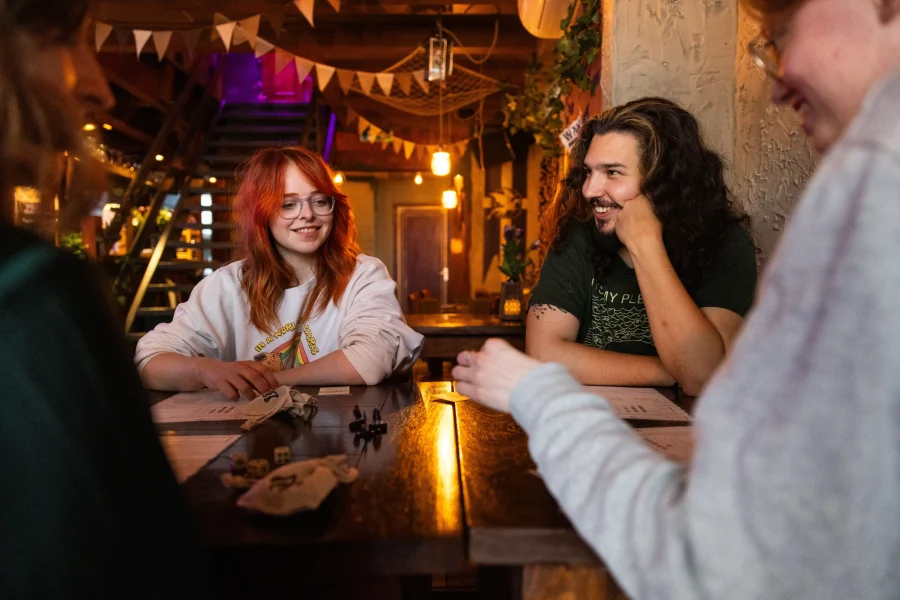
MythWatch: Age of Redbad was released in September 2026, alongside the exhibition REDBAD: de legendarische koning at the Fries Museum. One player tells the story as the Guide, while the others play characters of their own choosing who travel back in time. These can be historical figures, but also characters from the present day. This way, the REDBAD research and the cultural heritage connected to it reach a new, young audience.
MythWatch: Age of Redbad includes:
Team 8D worked on:
Want to play? Order MythWatch at mythwatch.nl.
The REDBAD project is carried out under the Interreg VI Deutschland-Nederland programme and is co-funded by the European Union, the Niedersächsische Staatskanzlei, the Province of Fryslân and the Province of Groningen. The partners in the REDBAD project are Ostfriesisches Landesmuseum Emden, Ostfriesische Landschaft, Learning Hub Friesland, Firda, Niedersächsisches Institut für historische Küstenforschung, Mythemakers, Fryske Akademy and the University of Groningen.
Participation in European consortia increases your impact. Discover our role as a design partner in international collaborations and European programs, where we actively expand our network and initiate new projects.

Setting up participatory research with a design component? 8D presents the Connecting Design & Research model, for both academic and societal impact.

What do design and Open Science have to do with each other? And why should co-creation sessions and artefacts have a place within the academic ecosystem? On this page, we explore how designers can contribute to open and reusable knowledge.