


Research in the midst of society

‘Designing together’ is an effective way to collect data, effectively bring knowledge to the target audience and create social impact from the start of your research. But how do you approach it? 8D supports researchers in integrating a design approach into their research. From project design to creative product development and process guidance. Just what is needed.

Shaping a co-creation process with diverse stakeholders in such a way that it has both academic and societal impact is challenging and requires pioneering. As a result, participatory methodologies often remain underutilized: they take time and do not always offer predictable outcomes. Nevertheless, we see this approach as the key to solving complex, people-centered issues and embedding research findings sustainably in society.

The value of participatory research

Data Collection

Knowledge Transfer

Collaborate on a form of information transfer that works for the target audience: from card game to VR prototype or video series, and everything in between.

Dissemination

Participatory research ensures that you reach your target groups early on; this increases the likelihood of long-term implementation of the results.

Game-based research

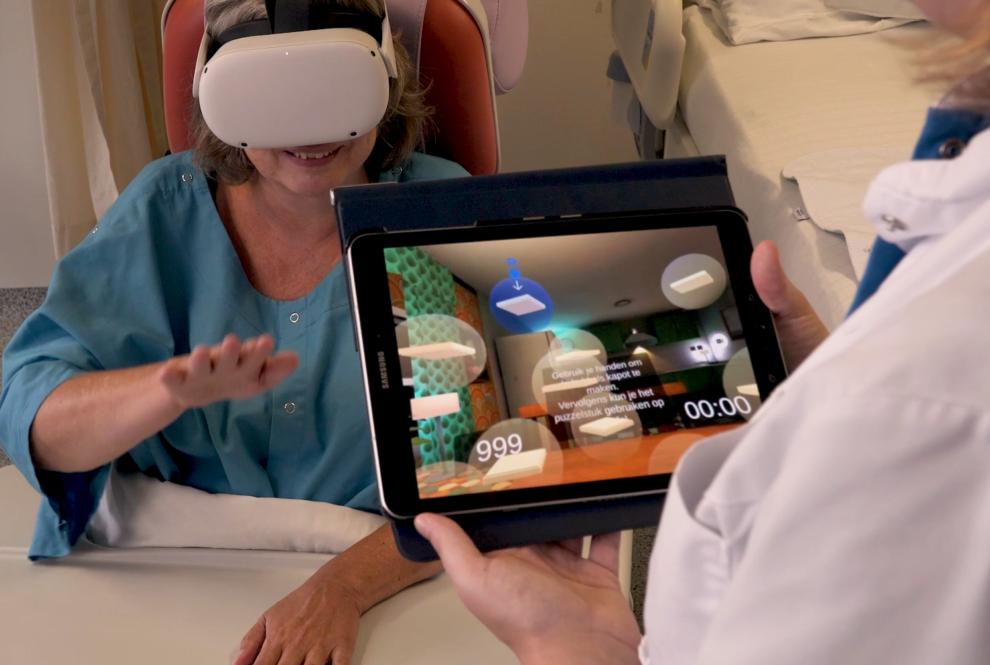
Getting a PhD for developing a serious game: it’s possible. And more importantly, it ensures that research results end up right at the heart of society, because the intended end users are closely involved in the development process. Over the past ten years, our team has supported researchers at all stages of their careers in developing tools or games. On our page “Games in scientific research”, you will find a selection of examples from our portfolio.

Rehabilitation Support - Virtual Reality in Care - 8D Games - MCL - Lise Beumeler
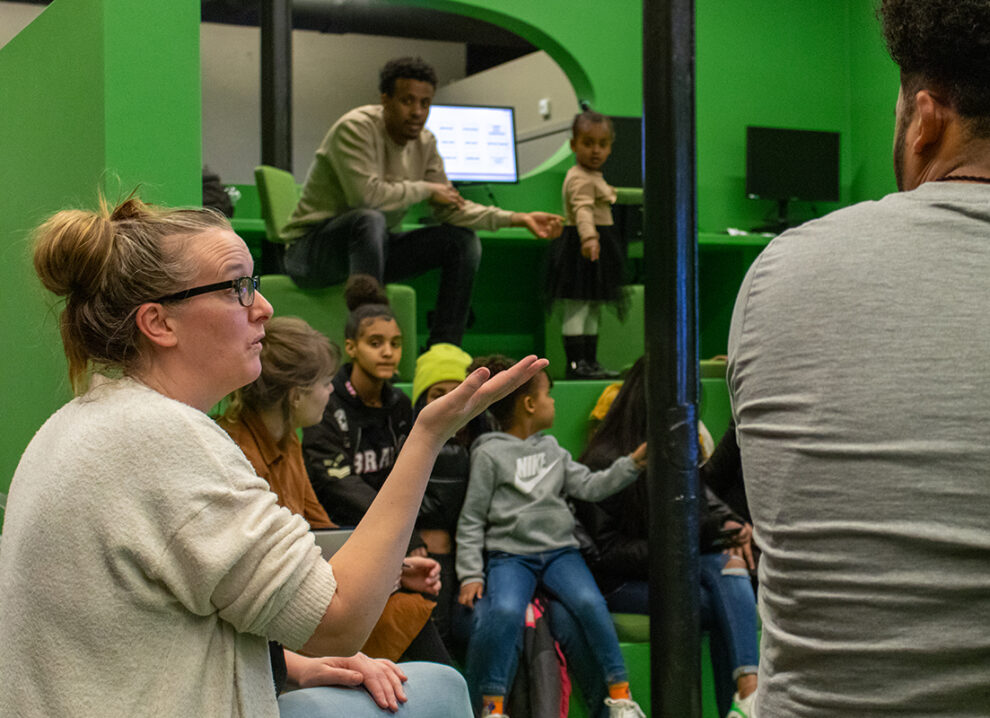
Shkorey - Discussing sexuality through a game, 8D Games

Design-based research

In addition to game design, we also offer social design in the broadest sense. Our knowledge of the psychology behind game principles continues to be valuable, particularly when designing creative sessions. But sometimes a different approach – from a series of meetings to changing a procedure – is much more effective in achieving the goal. Through social design, we find out what the target group needs.

In the blog “What is social design and why is it relevant for researchers?”, we take a closer look at this design philosophy and its added value for the academic field.

Open Science

Where possible, we work according to the principles of Open Science. This means that we make our work as open and accessible as possible, both in terms of the process and the results. This allows colleagues, researchers, citizens and organisations to build on what we have learned. It also ensures that alternative outputs from research projects – such as games or co-creation processes – remain visible and transferable. This way of working is in line with our mission to embed design sustainably within the field of research.

design and open science

Read more about participatory research in our knowledge base

Nienke Beerlage-de Jong on the Creative Intervention eZoon

Nienke Beerlage-de Jong is Assistant Professor at the University of Twente and a researcher in the field of infectious diseases and One Health, a field in which human, animal and planetary health are closely linked. She worked with 8D on a serious game about complex decision-making in zoonoses, diseases that can pass from humans to animals.
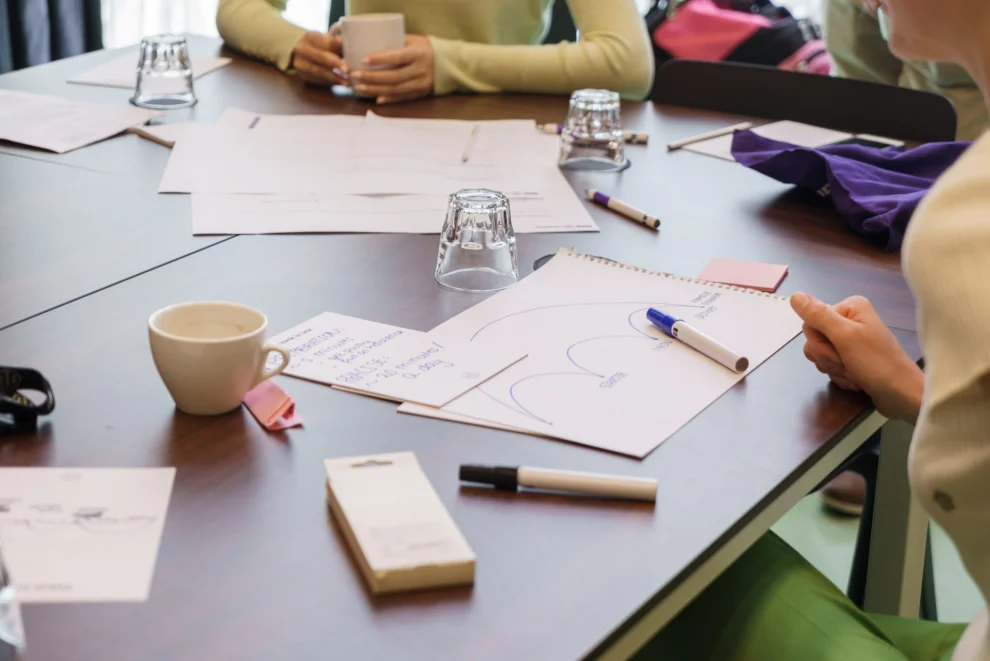
Co-creation in research: what does it deliver?

Using a real-life example from our portfolio, in this article we show how co-creation can enhance academic impact and societal relevance. The focus is on our collaboration with researcher and biomedical scientist Lise Beumeler, with whom 8D developed a VR game for recovery after being admitted to the Intensive Care Unit (ICU). This development was part of Beumeler’s PhD program and, through follow-up research with the prototype, has recently led to a new publication.

Transdisciplinary research: challenges and recommendations

Transdisciplinary research brings together scientists and societal actors such as designers, artists, and policymakers to tackle complex issues. Examples include ethical dilemmas surrounding technology, climate adaptation, or healthcare innovation. Despite its potential, implementation remains challenging in practice: how do you ensure equal collaboration? How do you bridge differences in working methods and language? We discussed these questions with Julia Hermann, Assistant Professor in Philosophy and Ethics of Technology at the University of Twente.

Abonneer je op onze nieuwsbrief